#139 What we can Learn from the Swiss about Food and Nutrition – and what Swiss Habits can we Copy Today? #done
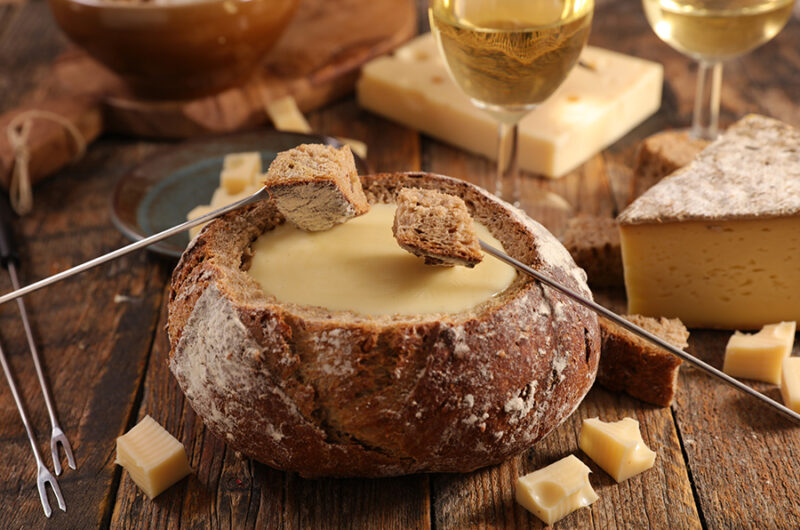
Today I want to talk about Switzerland – what we can learn from Switzerland about food and nutrition, and some traditional Swiss habits that are worth copying. Switzerland’s one of my favorite countries because my parents loved it and took me there many times as a child. I have wonderful memories of falling in deep snow banks on purpose, of snowball fights, tobogganing, and then of course, the food. I remember going to places like the tiny little town of Zermatt below the Matterhorn mountain, to a warm restaurant which smelled amazing at lunchtime, for a Swiss cheese fondue, and dipping the bread into the cheese. It’s an amazing place!
The Traditional Swiss Diet and Lifestyle
Although the Swiss historically ate a lot of bread and cheese and potatoes, this was balanced out by enormous amounts of physical activity. They used locally produced food, and hardly any processed food. What did a traditional Swiss diet actually look like? It varied a lot by region and season, et cetera, but the food of Alpine families living in the mountains would often revolve around the grain. They’d make bread from rye and barley, and then porridge and gruel using oats, and also barley and rye.
They obviously had a lot of milk from the Alpine cows. I remember the green hills and the cows wandering over them. There were no factory farmed cows there, just beautiful farms with cows grazing, and cowbells ringing in the mountains. Fresh milk, fresh cream, butter, and buttermilk were always a big part of their diet, as well as cheese – amazing cheese.
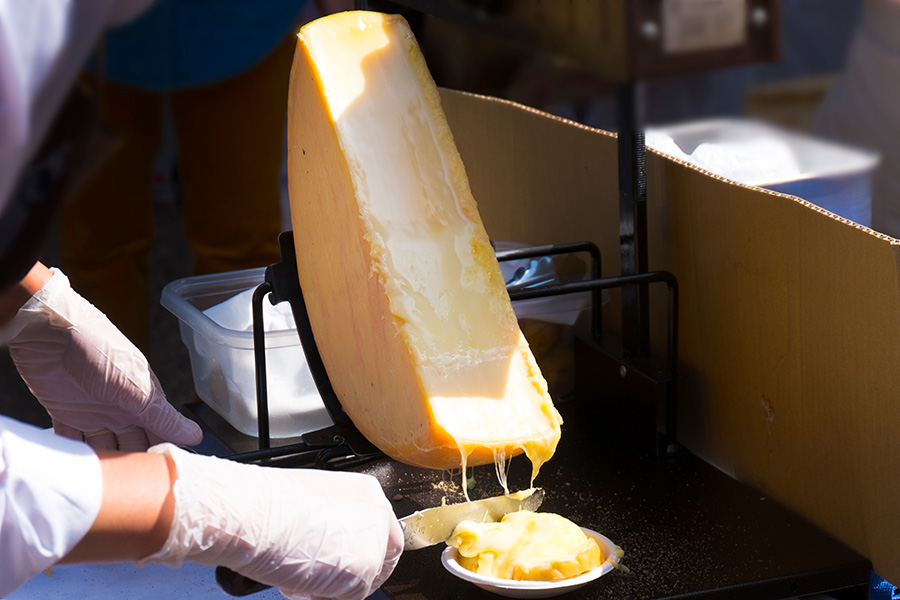
Each region has their own kind of cheese that they’re famous for. It was a major way of preserving their milk for the winter season, and of course, it’s delicious. They’d have big cheese wheels – I remember seeing huge cheese wheels on shelves. They’d have so many big wheels, and they’d sell them to the locals and the tourists in little shops.
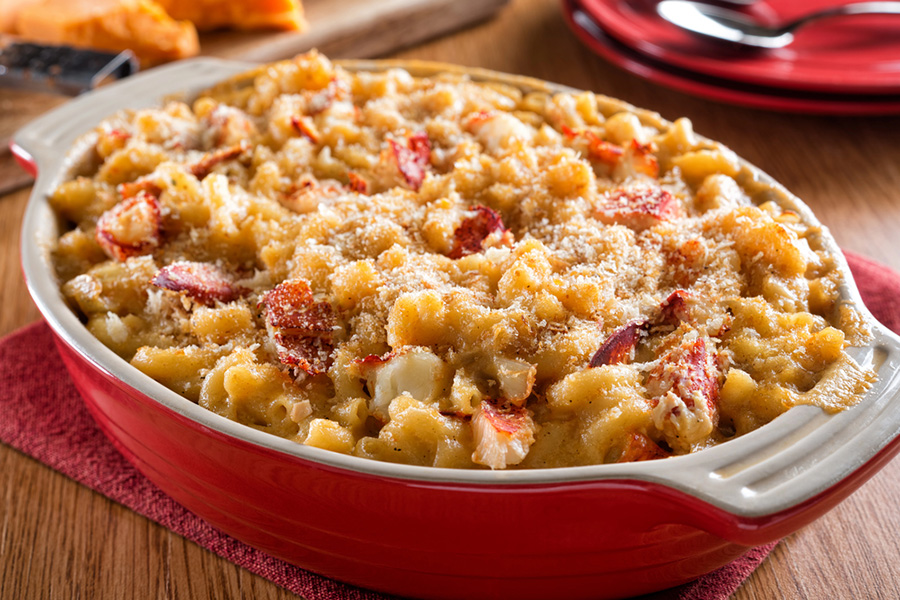
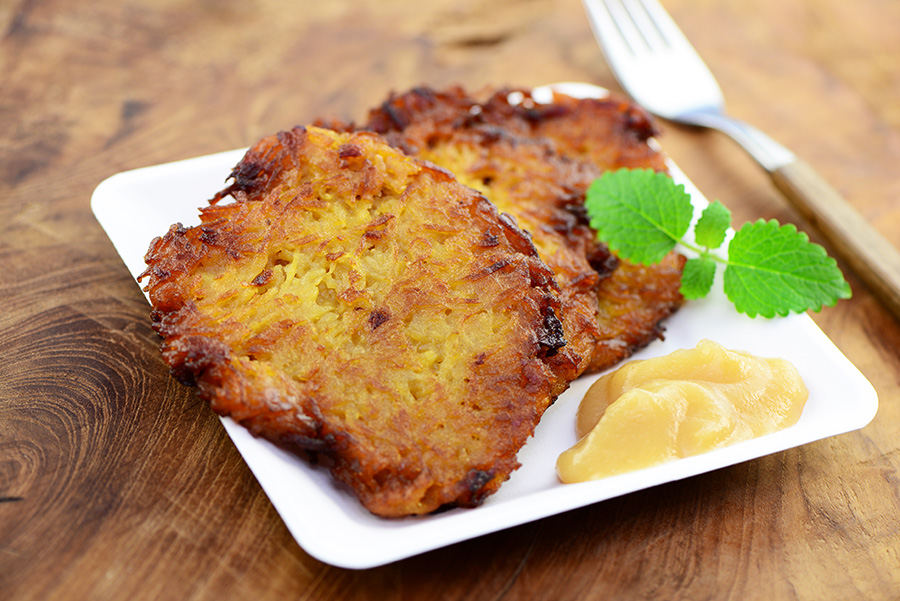
Also, potatoes were a big part of their diet. They grew those and ate them boiled, fried, and mashed. Potato rosti is a famous Swiss dish. They’d also have a lot of fruit, apples and other fruit, both fresh dried or cooked for desserts. They’d also have nuts – chestnuts in some regions were very important. Other root vegetables and cabbage were used in their soups and stews. Älplermagronen is like a Swiss mac and cheese. It contains both pasta and potatoes, as well as onion, cream, and cheese
Then in places like the Ticino, which is adjacent to Italy, they used a lot of maize and polenta, as well as beans and pulses in their soups and stews. They also ate meat, but much less frequently than we do today. They’d mainly use grain and dairy, and the wild herbs that were available in the mountains. Dairy was particularly important. The mountains meant that the cows produced lots of milk during the summer, but the winters were long, and there wasn’t much milk during them. Because of this, they made cheese, which is a wonderful winter food. It would preserve the milk for an endless amount of time. Hard Alpine cheese is very famous. By the 15th century, Swiss cheese makers had started using the rennet from the cow’s stomach to make the hard cheese.
The traditional Alpine diet definitely contained a lot of full fat dairy, but obviously it was the best kind. The milk was rich in nutrition because the cows grazed on the mountains, and ate all kinds of different grasses and herbs, not just one kind. They produced the best quality milk with the best quality fat, and then the best kind of cheese was made.
Potatoes became one of the great staple foods of Switzerland, where dishes like rösti came from. They’d cook potatoes in butter and just add salt and sometimes cheese on top. Their food definitely wasn’t low calorie. A hardworking farmer could eat potatoes, cheese, butter, bread, and milk, and he’d need all the calories because of his hard physical labor.
Their food was seasonal, as I mentioned with the milk and cheese. They didn’t have fruit like strawberries in the winter. They definitely didn’t have supermarkets with things like packaged cereal, soft drinks, and biscuits. Even things like avocados weren’t available for most of the year, and obviously they didn’t each eat huge quantities of refined sugar. Their diets were made of fresh milk, fresh cheese, herbs, greens, berries, other fruit, and fresh vegetables.
In autumn, often fruit was harvested, like apples, pears, and potatoes. Then grains and nuts were harvested, and those things were often preserved or kept in the cellar. They stored potatoes, grains, cheese, dried fruit, nuts, and root vegetables like squashes, and they preserved their meat.
A Day in a Swiss Life
A traditional Swiss day could have looked something like this. Breakfast would be oats porridge with milk, some apple, and some nuts, or rye bread with milk and cheese. Then in mid-morning, perhaps they’d have apples, dried fruit, or a piece of bread with butter. Lunch would be potatoes with maybe some vegetables like cabbage, in a simple soup or stew. They’d also have some cheese.
In the afternoon, again, they’d have bread with cheese or buttermilk. Then for dinner, they’d have potato or vegetable soup, or polenta with cheese and beans, and maybe a small amount of meat. Then for dessert, they’d have fresh or dried fruit, roasted chestnuts, or occasionally something sweet. Then after dinner, there’d be no watching TV. They’d have spent much of the day walking uphill, tending their animals, chopping their wood, and farming or making food for the winter. In the evenings, they had to check on the animals and make sure everything was set for the cold nights.
In the summer they’d even more things to do, like feeding the animals outside. There’d have been a lot of active time – walking everywhere, climbing up steep slopes, carrying wood and water, milking cows, cultivating their fields, harvesting crops, making cheese and butter, preserving food, making bread, and just working outside. That’ll account for a huge amount of calories. They needed the fat and carbohydrates, and the food was of such good quality.
Have you heard of a Bircher muesli? This was developed in the 1900s by a Swiss doctor, Max Bircher-Benner. He was inspired partly by the foods eaten by Alpine people – the milk, oatmeal, nuts, and fruit. His original version was oats, apple, lemon, nuts, and milk. But it definitely wasn’t invented as a health food; he invented it for other reasons.
Helpful Principles from Swiss Food
Let’s look at some traditional Swiss habits that we can copy and learn from. We don’t necessarily need to eat the same amount of bread and potatoes as they did, but if they are of high quality, it’s good to include them in our diets in the correct way. Here are 10 things we can learn from the Swiss – habits worth copying. Number one – make your food simple, minimally processed whole foods. The foundation should be whole foods; things like potatoes, whole grains, vegetables, beans or lentils, eggs, fish, meat, dairy, especially raw dairy, fruit, nuts, seeds, herbs, and spices. You should be able to recognize the foods in the meal, so they should be minimally processed
Number two – eat dairy as a food rather than an ingredient hidden in things. In traditional Alpine communities, they eat a lot of milk and cheese. There’s a big difference between having a piece of cheese with an apple, or having a cheesecake with lots of sugar, only containing cheese powder, and having refined starches, additives. Homemade is obviously better.
A very traditional Swiss-style snack would be apple, cheese, and a handful of walnuts. This is a great combination. Choose a fruit that’s high in fiber, like apples, pears, or berries. Choose your favorite kind of cheese – mine is goat’s gouda. Then take a handful of walnuts or whatever your favorite nuts are. Lately, I’ve gotten more into eating pistachios, macadamia nuts, and pecans because those are lowest in oxalates. Almonds and cashews are quite high in oxalates if you’re wanting to avoid kidney stones. Not everybody is in danger, but I just like to be safe. Also, these days it seems like almonds are in everything – almond milk, almond butter, almond flour, so it’s nice to have a bit of balance there.
Here’s just a note on cheese – modern cheese can be made with microbial rennet or fermentation-produced rennet from the lab, a lab-grown enzyme. I always ask for animal rennet in European cheeses. Those are more expensive, but I don’t eat a huge amount of cheese – usually just one kind of goat’s Gouda, or Emmentaler. Another European cheese is Parmigiano-Reggiano, and that requires animal rennet. We also get blocks of mature cheddar that’s aged six months, which is also much better for you. That uses the local microbial rennet, and we use it more for cooking or as grated cheese on top of a dish, not just for eating on its own.
Number three – make fruit your normal sweet food. Desserts that are cooked or made would be less often, and a normal dessert would be fruit – fresh or cooked like applesauce or baked apple with cinnamon. It can also be dried perhaps, or turned into a preserve of some kind. Apple plus cinnamon with some yogurt is great for protein, and you can add some walnuts for good fats. Try to eat fruit, and possibly nuts, as your snacks. You can also have seeds with fruit, and maybe some kind of dried fruit in a trail mix. Sweetness should come from fruit, and not from sugar or refined foods whenever possible.
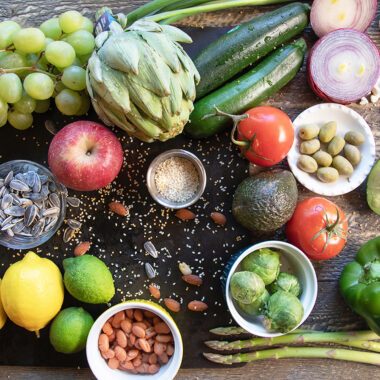
Number four – eat according to the seasons. This is a hard thing because these days the supermarkets often have everything, but there often are seasonal things that you can really stick to, like artichokes. Globe artichokes are my favorite food, as you might know. They come out once a year for a couple of months, unless you have imported ones in your country.
Things like apples, pears, squash, and roots are available more in the autumn and winter. Potatoes and cabbage are best in the winter. In the summer, seasonal things are berries, peaches, nectarines, mangoes and all those lovely fruits. Then in the spring, there are lots of fresh herbs. You don’t need to be completely seasonal, but try to deliberately eat food that is in season, like grapes in summer, because they’re higher in nutrition and better for you when they’re in season.
Number five – don’t be afraid of potatoes. Sometimes they’ve been lumped together with highly refined carbohydrates like burger buns. Traditionally, the Swiss ate many of them, especially in the poorer rural areas, and they boiled or roasted them. That’s very different from a potato that’s gone through industrial processing, or been made into chips and fried in refined oils, et cetera. They’d often have the potato plus a vegetable and a protein or fat, or both.
You could have rösti with eggs and sautéed spinach, or boiled potatoes with some salmon and green beans. We like to have baked potatoes with bolognese or shredded chicken and grated cheese on top, and maybe a bit of salad on the side. Also, potatoes are supposed to be good if they’re cooked, cool, and then reheated. Then the resistant starch is much higher.
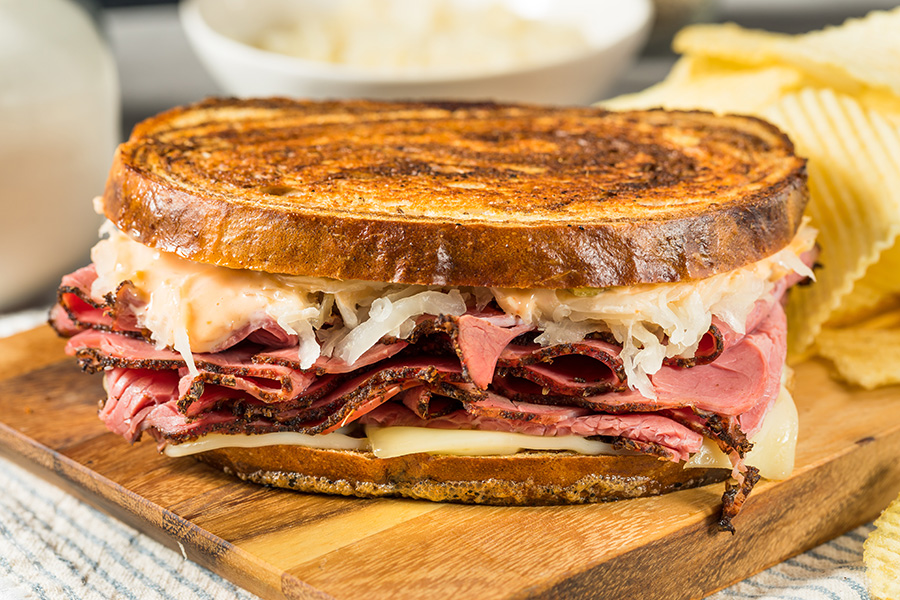
Number six – eating fermented foods is traditional in Swiss culture. Some fermented foods are aged cheeses, cultured dairy like kefir and sour cream, and fermented vegetables, like cabbage made into sauerkraut. There’s also sourdough bread, fermented bread, and even fermented drinks sometimes. You could incorporate natural yogurt, Greek yogurt, which is high in protein, kefir, sauerkraut, good quality cheese, sourdough, et cetera. To get the benefits, these foods need to be naturally fermented, not just have some added vinegar like some supermarket pickles.
Number seven – walking after meals is important. This is one I’m trying to improve on. Some of our family in Belgium get together with all the family of about 70 people for a huge Christmas meal. They’ll have the first or second course, and then they’ll all go for a big walk together. Can you imagine 70 people walking down the street? After that, they’ll have the next course or dessert. Walking is an integral part of their mealtime. Obviously in traditional ancient Switzerland, they’d be walking to the barn, carrying things, feeding animals, cleaning, climbing the hills, and working outdoors. Movement was definitely part of their life.
A good thing for us to do is to walk for 10 or 20 minutes after a meal. It helps lower blood sugar and to burn the sugar in your body. It helps with muscle growth and all of that, and the fresh air and exercise help you to feel good. Exercise shouldn’t be a separate event to eating.
Number eight – don’t make exercise a whole big thing if you struggle with that. This is a great lesson from a traditional Swiss farmer’s day. They’d walk, carry, bend, lift, climb, and repeat. Compare that with sit, drive, sit, work, sit, drive, exercise for 45 minutes, and then sit. In the first lifestyle, you’ve got movement throughout the entire day.
Instead of thinking, “I need to exercise,” rather you can do things all through your day. There’s the walk after meals, some squats while you’re on the phone, carrying in your groceries, doing some cooking, walking around the kitchen, manual household jobs, a family hike, take the stairs, and do some work in your garden. Those things all help a lot. And try to get up regularly and do squats or calf raises, whatever you can in between sitting at your desk.
Number nine – eat foods that require some effort. This is an interesting one because these days we often sit down at the meal, and everything is on our plates. It’s easy, and we gobble it up too fast. That’s not great for digestion. We don’t relax and have good conversations in between, and we just don’t have to work at our food. We should eat foods that require effort – the kind of foods that weren’t designed for effortless or endless consumption.
For example, think of eating a whole apple. You have to bite it and chew the skin, and it’s got lots of fiber. Compare that with apple juice – you can drink three apples in 30 seconds with no fiber. Even chopped up apples without the skin are much easier to eat. Eating a whole apple is good because it slows you down, helps you chew properly, and gives your body time to digest.
Another example is walnuts or pecans in their shells. We used to get whole pecans in their shells at my father and mother’s place in McGregor – there were lots of pecans you could just pick off the trees, or ones that dropped to the ground. When you crack them, there’s two little pecans sitting together. They’re delicious straight out of the shells! Think about nuts in their shells, where you have to crack each one before you eat them, versus just eating a handful of nuts, or even a spoonful of nut butter. You can eat a whole spoonful in a few seconds. A sweetened nut spread would be even worse.
Also, there’s things like whole potatoes rather than french fries. When you have vegetables and cheese to balance them out, it’s really different to eating some kind of bag of chips, even plantain chips. Even though the origin is supposed to be better, they’re still refined and fried, and it’s easy to eat too many too fast. Slowing down and eating these individual foods in their original form, the way God made them, is a great strategy. Whole foods require more chewing, more preparation, and more eating time, all of which is better for you in multiple ways.
Then, as I mentioned earlier, number 10 is eating food as part of family and community life. Rather than grabbing something while staring at the screen, traditional Swiss meals were social occasions, sit down occasions – time for fellowship in a family. They’d have the meal in parts, and have time to breathe in between, and let their digestion catch up. They’d talk, try the next course, clear the table together, and walk, rather than snack, scroll, snack, work, snack, television, snack. The psychological side of eating matters a lot, and so does the slowing down for our digestions.
A modern healthy Swiss day could look something like this – for breakfast, you could have some homemade muesli or granola without bad seed oils, et cetera. You could also have oats with grated apple, with some fresh yogurt or kefir in it, and some nuts and seeds like walnuts or sunflower seeds sprinkled on. Add some cinnamon and berries.
For a snack, you could have an apple and a small piece of cheese. Lunch could be rösti with eggs, mushrooms, spinach, and some sauerkraut on top. An afternoon snack could be another fruit like pear and a handful of walnuts – in their shells is better. Sit on your porch and enjoy the view while you crack some walnuts or pecans and enjoy those.
A dinner could be an Alpine style soup or stew with potatoes, cabbage, carrots, beans, maybe a little meat, and some herbs. Perhaps you could end with some cheese. You could include a slice of rye or sourdough bread, and then take a good walk after dinner.
See how you can incorporate principles of traditional Swiss eating. I did an episode before on Swiss comfort foods – easy Swiss inspired food to cook at home. That’s episode 102, and there’s some lovely Swiss ideas in there that you might enjoy, so go and have a look at that. I hope you’re feeling inspired about Swiss food principles and seeing how you can apply them in your food and in your own family.