Today we’re going to talk about food from Germany – what we can be inspired by and what we can learn from German food. German food is hearty. It’s often cold, so it’s comforting, and it’s built around simple, high-quality ingredients. It’s designed to keep you full, satisfied, and comforted in the colder climate.
Staple German Foods
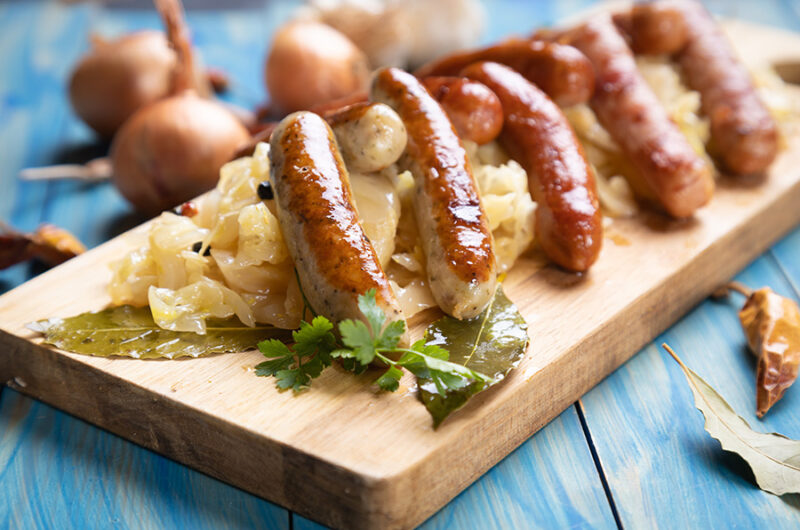
German cooking emphasizes meat, potatoes, and bread. Pork is very popular. There are lots of sausages, which are known as wurst, as well as roasted cuts of meat. There are hundreds of regional sausage varieties, from mild flavored to heavily spiced sausages. One of the most famous is bratwurst. It’s often grilled and then served with mustard.
Potatoes are definitely a staple in Germany. They come in many forms – boiled, mashed, fried, dumplings, and knödel. Another very famous side is sauerkraut. We’re quite familiar with that, but sometimes we don’t realize that it’s a German word. It’s a sour, tangy, fermented cabbage, which provides a lovely contrast to the rich meats. They often have that in the same meal – even a breakfast hot dog type thing would have sauerkraut on it, and maybe onions.
Bread is a huge part of German food culture, but different bread to what we might be used to. It’s often dark and dense, like rye bread made with whole grains. Breakfast and dinner often revolve around bread. Abendbrot, or evening bread, is common. They’ll often have cold meat, cheese, pickles, et cetera, with it.
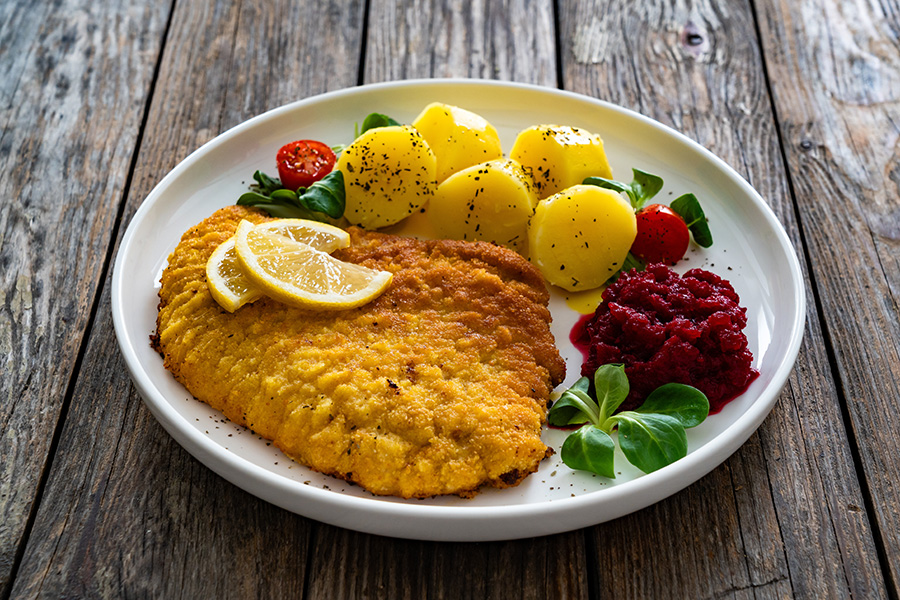
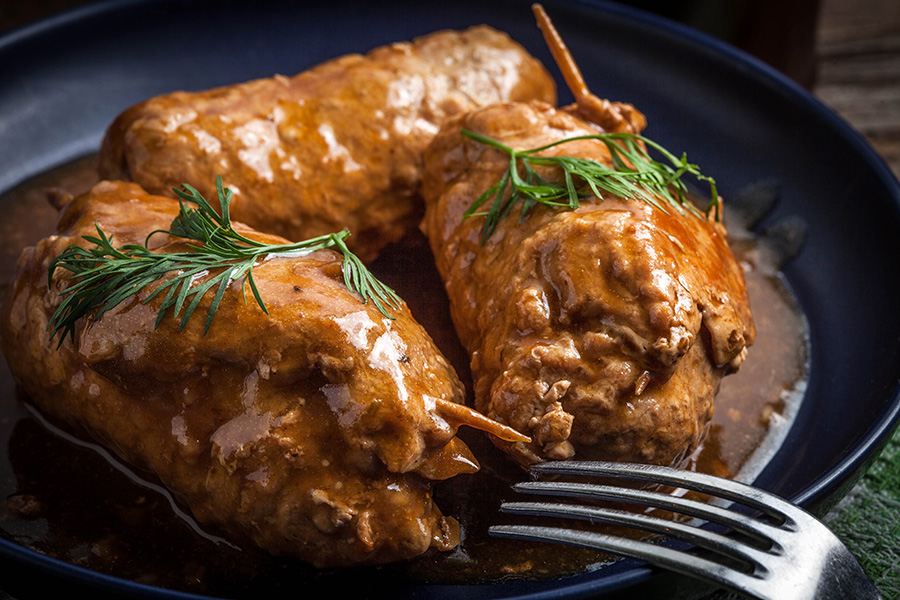
They also have rich, slow cooked meals like sauerbraton, which is a marinated roast. Schnitzel can be made with veal, or sometimes chicken. It’s breaded and fried meat cutlets. These are savory dishes with balanced flavors, but not really spicy heat.
Then when it comes to desserts, Germans are known for their baked goods, like cakes and pastries. Desserts are a big deal for them – things like black forest cake and fruit tarts. Kaffee und kuchen; coffee and cake in the afternoon is common. German meals aren’t complex, but they’re rich, and there’s a lot of variety and tradition involved in making satisfying, well-balanced meals.
Lessons We Can Learn from German Food
So, what can we learn from Germany about food and cooking? Often, German cooking doesn’t rely on a lot of ingredients. It’s made with a few ingredients done really well, slow cooked to have that flavor developed. It’s deep, rich, satisfying food with good flavor. We can look for recipes with three to five core ingredients. When you’re cooking, focus on the technique, on the slow cooking, seasoning it properly with salt, acidity, or fat, and then cooking so that there’s a good sear on it. Don’t overcomplicate it, but bring out that deep flavor.
Fermentation, pickling, and curing are used very much in Germany as everyday tools. Any leftover vegetables can be turned into pickles using a saltwater brine. They do simple fermentation like making sauerkraut from cabbage. I think that’s a really beneficial, healthy, and delicious way to add things to your meals. It’s so easy because when you’ve made sauerkraut, you can keep it in the fridge. You don’t have to create a vegetable side – just add some sauerkraut to your meat dish, to your breakfast, or to your sausages. That provides your vegetables, your vitamin C, and some other nutrients.
German food is designed to sustain and to satisfy. Build your meals around staples that are rich and hearty – potatoes, grains, or legumes. This is great, especially in the winter. It’s always cold in Germany, so we can copy what they do. Choose recipes that you can reheat well. You can get lots of food out of it if you cook it in the slow cooker. Prioritize things that are going to keep you full over fancy ingredients.
Also, you should invest in quality basics. Make sure that you’ve got a good pantry of potatoes and root vegetables like squashes, and then build your meals around those. Quality basics can also include good bread, and sausages of various kinds – Germans take those seriously. You should have some good dairy, real butter, and some decent spices.
Use fewer processed foods, and more raw ingredients to make up these rich stews, roasts, and casseroles in the oven. Then it’s easy to satisfy the whole family. You can make double and freeze some, or make a big slow cooker full and freeze some of that. Have leftovers.
In Germany, meals are shared and unhurried. They’re often eaten at a table, not alone with a screen. Try to enjoy that family mealtime together with simple meals – there’s no need to impress. Sometimes the food will be served in the middle of the table or at a serving table so that everyone can help themselves, or top up their dishes as they wish to.
Usually there’ll be bread, and there’ll be some kind of starch like potatoes or rice, with various fillings. Then there’ll be the main – a meaty, saucy, hearty dish. Sometimes they mix things into their mashed potatoes. First they’ll add butter, warm milk, salt, and maybe nutmeg, and then traditionally they’ll add something like caramelized or fried onions, crispy bacon bits, sauerkraut, fresh herbs, and sometimes even an egg yolk to give it a solid texture. Sometimes they have apple sauce, either on the side or mixed together with the mashed potatoes.
So, to boil it down, the German mindset is to cook simply, but well, to eat regularly, not randomly, to share meals with others, to plan carefully, and then to make really hearty, satisfying food, especially at dinner times.
Ideas For German Food We Can Make Ourselves
German cuisine has a reputation for being hearty and comforting, as I’ve said, but a lot of its classic dishes are actually easy to make at home. Here are some options that don’t require fancy techniques or hard-to-find ingredients. Firstly, there’s the German potato salad. It’s a great side dish made with boiled potatoes, onions, and a tangy dressing like vinegar and mustard combined. Southern versions like the Bavarian one skip the mayonnaise, making it a bit lighter. This pairs well with sausages or grilled meat.
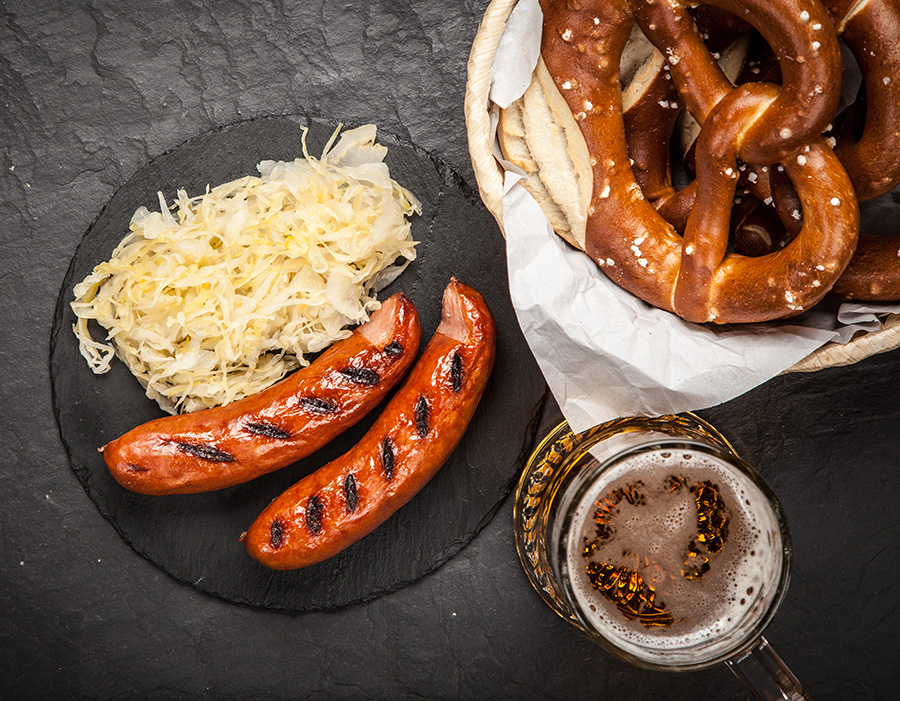
Then, as I’ve mentioned before, the most iconic combo is bratwurst with sauerkraut. You can pan fry or grill the bratwurst, and the sauerkraut is pre-made. You can heat it and season it, or have it cold. Add some mustard to the sausage, and some bread to make it a full German meal.
Schnitzel is a breaded cutlet of meat, like I mentioned before. Traditionally, it’s pork or veal, but chicken works too. Often you can buy these ready-made at the supermarket. Chicken schnitzel is a favorite of ours. We like to have it with cheese sauce, but you can do it with potatoes of any kind, and some lemon on the side to squeeze over it. It’s basically meat coated in flour, then egg, and then bread crumbs of some kind, and then it’s fried. We buy it pre-made and bake it in the oven.
Lentil soup is very popular in Germany. It’s a delicious meal, especially if you use red lentils – they disappear and thicken the soup. They’re amazing in soup. Red lentils, carrots, onions, sometimes bits of sausage, and grated potato make a great lentil soup. You just have to simmer everything together in one pot.
If you want a baking project for your kids, pretzels are surprisingly easy to make. It’s basically a yeast dough, and you roll it into a worm and shape it into the classic knot. Then you dip it in a bath of baking soda water to get that chewy crust. You can serve it with butter, or just plain. That’s really delicious. Just google “German pretzel recipe”.
They also love to have apple sauce as a simple, sweet side or a dessert. It’s basically cooked apples, sugar, and cinnamon. You simmer it and mash it, and it’ll be done in under 30 minutes. This is even served with savory dishes like schnitzel.
German fried potatoes are crispy and very satisfying. They’re made with sliced, boiled potatoes, and then fried in a pan with onions and butter. Bacon is sometimes included for extra flavor. Leave them in the pan for a bit to get that golden crust.
Cheesy spaetzel is Germany’s mac and cheese. Spaetzel is a kind of egg noodle or miniature dumpling. It has a chewy texture, and it’s made from flour, eggs, salt, and a bit of water. Those noodles are then combined with a fancy cheese like Emmentale or Cheddar, and topped with some crispy fried onions. That’s very filling, and it comes together quickly if you already have the noodles.
Then there are German pancakes. These are closer to crepes than fluffy pancakes. They have a basic batter – flour, eggs, milk, and salt. They’re cooked thin in a pan, and then filled with a sweet jam or cinnamon sugar, or a savory ham and cheese filling. That’s a great quick meal to do. Just google “German pancakes”.

Here are a couple more meat dishes. Sauerbraten is pot roast in a tangy gravy, and it’s a famous German beef dish. The beef is marinated in vinegar, water, and spices for a couple of days, and then slow cooked. You can marinate it in the fridge. Put the spices on, and then add a bit of vinegar and water. After it’s marinated, put it into the slow cooker, and you’ll end up with a tender meat that’s got a sweet and sour gravy. It’s actually really easy – just plan ahead for the marinade, and look up a recipe.
German-style goulash is a comforting stew that uses chunks of beef and onions with paprika and broth. You simmer it in one pot, and it gets really tender. Currywurst is a street food favorite, and it’s easy to recreate. It’s sliced bratwurst with ketchup-based curry sauce. You can find a recipe for that. The sauce is made of ketchup and curry powder with a bit of sugar and vinegar. That’s quick and casual, and very beginner friendly.
After learning to make that, you could go to roast pork, which is a little more complex. It’s pork shoulder or belly roasted with garlic, onions, and caraway seeds. You get the nicely seasoned, crispy skin on the outside, and it’s juicy inside. That one’s a little harder to make, but again, just look up a recipe and try it.
It’s lots of fun to look at other countries, and how they make their food and what their staple dishes are. I hope you’re inspired to try one German-style dish, or to cook German food more often. The first time is the hardest with these things, but it’s great to find things to add to your repertoire. Find one of the things that really goes down well and that you enjoy. You can edit it into your weekly meals.