Lately, I’ve been so amazed at how powerful fiber is in our diet. I’ve lost touch with that a bit over the past decade, and now I’m slowly getting back into it as I work on my health. It’s amazing how much we need fiber. Yes, we need good protein, we need a balance of good fats and good carbohydrates, but fiber is almost like magic.
What Makes Fiber Like Magic?
Recently, I was watching a video of a guy who measures the effect of various items on blood sugar. He ate a Snickers bar and then showed the rise in his blood sugar. It was a reasonable spike – not huge, but still a spike. Then he ate the same Snickers bar the following day with some egg whites for protein. That helped a little bit to bring down the spike. The following day, he drank a little shot glass of olive oil for fat before the Snickers bar. That didn’t help at all with his blood sugar spike – it stayed the same. Then lastly, he tried half a cup of broccoli before he ate the Snickers bar, and it helped hugely. It just about halved the spike.
So, it’s amazing to see how that fiber works. It builds a kind of gel in your stomach, and it slows down your stomach emptying, helping digestion to be slower. It helps the spike from whatever carbohydrates you’re eating to be less. Plus, it cleans out your insides. There’s soluble fiber and insoluble. Insoluble fiber is like a broom in your intestines, and soluble makes that gel in your stomach. It helps in so many ways with things like bringing down cholesterol and inflammation. Fiber helps in a huge amount of ways.
I’ve been trying to have more fiber at the beginning of meals, and I’ve been trying to think of snacks that have good fiber. I’m trying to get about 40-plus grams of fiber per day. You can try any AI to help you with that to see how much you’re getting from foods. Today, I want to talk about some things that are going to add fiber to your life easily – things that are delicious, that are going to make salads and snacks more interesting, and that generally are great snacks to have around because they’re yummy and they help with fiber intake. I’m going to tell you about some things I’ve been making lately, how I make them, and when I use them. Hopefully, this will give you some good fiber tips.
How to Start Meals with Fiber
For breakfast, as I’ve mentioned in the past, I like to have chia pudding. That’s very high in fiber, and it’s definitely going to give you that slowed down food effect. Alternatively, you can add things like ground flaxseeds – golden flaxseeds are best if you can find them – or chia seeds, or even hemp seeds to your morning yogurt or oats. Those are great for fiber in the morning.
Then before lunch, or sometime in the morning, I usually have some edamame beans – I mentioned this in the previous episode – roasted with oil and salt. My absolute favorite flavorings are salt and onion powder. I just defrost some frozen edamame, or use it fresh in, and I put it in a glass or ceramic dish with a lid. The edamame goes in the bottom, and then I put some olive oil on, sprinkle them well with salt and onion powder, mix them up a bit, and pop that in the oven.
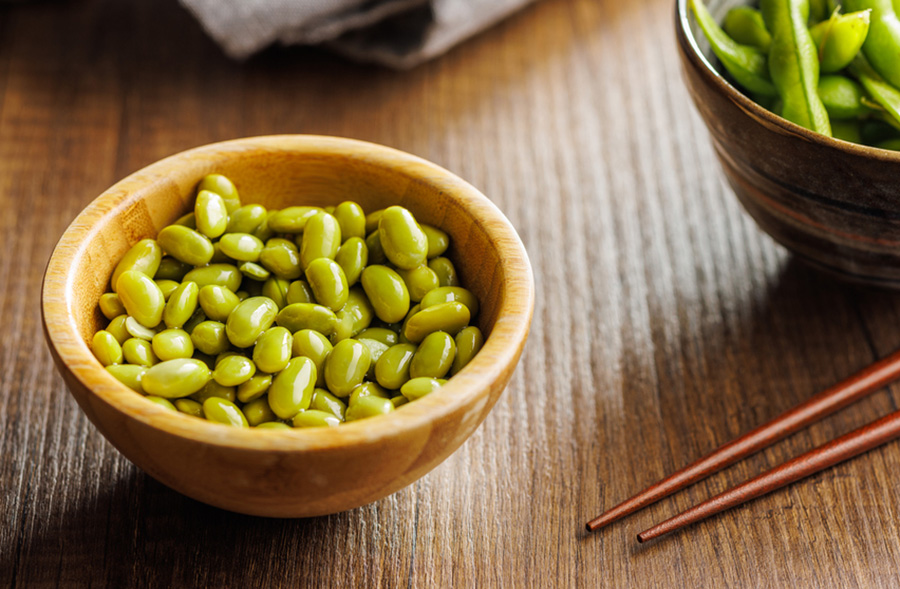
They take about 20 minutes to cook, or sometimes a bit longer, at 180 Celsius or about 400 Fahrenheit. Mix them up halfway through, and then at the end you can add a bit more salt if you think they need it. I keep those in the fridge. They’re great to grab just like that out of the fridge, or you can warm them up a bit before a meal. I try to start my lunch with a few of those, like a couple of tablespoons full. Then that fibre’s already working while I get the rest of lunch ready.
I like to have some kind of salad for lunch. Salads are high in fiber. By the way, lettuce is not very high in fiber – though it is high in pesticides unless you can find an organic version. Lettuce is not a necessity. If you like lettuce, great, but if you’re like me and you don’t, you can leave it out completely. You definitely don’t have to start your salad with a base of lettuce. I like to chop up some cucumber to start with, and then add the usual extras. You can add whatever you like – red peppers, tomatoes, feta, et cetera.
I also like to make custom salads. If you want to add some roasted vegetables, then you can roast some red peppers. Just slice them up, and again, roast them with oil and salt in a closed container in the oven. That way, they don’t burn, but they get nice and soft. Then you can keep that in the fridge to add to your salad or to whatever you like. Any other roast vegetables work great as well. If you like a general roast vegetable mix, do the same thing with those.
I also like to do little cucumber stacks, which are in my Elegant Easy Appetizers cookbook. That recipe is in the preview pages, so you can download the preview and have a look. It’s basically cucumber slices with little blobs of cream cheese on each, then half of a baby tomato on top, and then some homemade basil pesto. I’ll talk about that in a moment.
To elevate it even more, I put a bit of salt on the cucumber-cream cheese-tomato stacks before I put the pesto on. I also add a Salad Sprinkle, which I’m also going to talk about in a moment, to add some good nutrients. Then I add the basil pesto, which I make at home to make sure the ingredients are good, and then I sprinkle on some pine nuts, sometimes grated carrot, and some olives, to make it really nice. That’s an amazing way to start off my lunch. There’s some good fiber in there, some good protein in the cream cheese and the pine nuts, and some good fats in the pesto. I make mine with olive oil and flax oil. That’s a really great start for lunch or dinner.
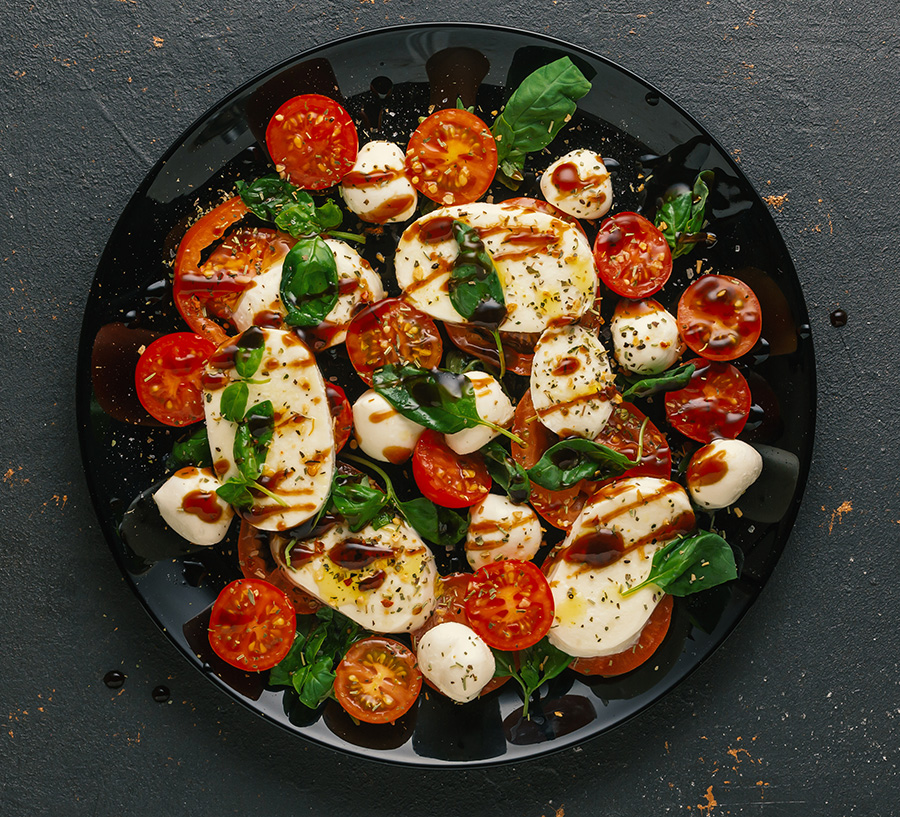
Also, sometimes I like to do a caprese Italian style salad, which is made of tomato, basil leaves, and mozzarella. I like to use either buffalo mozzarella or bocconcini, the little mozzarella balls. They’re very white and pure and beautiful. I also put some basil pesto on there, and that’s also a great salad. You don’t have to worry if you don’t have lettuce, and you don’t have to try and keep the lettuce fresh in your fridge – just use other things for a salad. Olives are wonderful too, as well as good olive oil, and that kind of ingredient is helpful.
Some Helpful Ingredients to Prepare
Let’s talk about homemade basil pesto. I like to make it as I run out, and then keep it in the freezer in a compartmentalized silicone container so that I can get out a little bit of basil pesto at a time. I make the pesto and put it in that container in the freezer, and then when I’m ready for some, I just pop out one little section into a small glass dish with a lid. That takes just an hour to defrost in the fridge, or less if it’s out of the fridge. That’s very easy to have ready on the go.
It’s basically made of a couple of cupfuls of basil leaves, combined with pine nuts, cashew nuts, or a combination of the two. Then you need a little lemon juice and a little salt, and I use olive oil and a bit of flax oil. You can add Parmesan or Parmigiano-Reggiano cheese for a bit of flavor. You have to learn to tweak it to make it how you like it. That pesto is amazing. One of the best recipes is by Lisa Bryan on Downshiftology.
The other thing that I love that I mentioned is the salad sprinkles. These are also amazing in a mixed salad or a leaf salad. By the way, broccoli sprouts or little microgreens are often more nutritious than lettuce, and it’s often easier to find organic versions of them. I sometimes like to add broccoli sprouts or little microgreens to a salad – they’re much less in volume than the lettuce.
This salad sprinkle comes from Serene Allison. Before they became Trim Healthy Mama, she used to talk a lot about how to enhance salads in her videos. She makes this amazing thing – you blend sesame seeds with nutritional yeast and a little salt. It sounds weird, but it really isn’t. It tastes like vegan Parmesan. It’s cheesy because of the nutritional yeast, and the salt and the sesame seeds are very good with it. They add protein. You grind those ingredients together in a coffee grinder to make this salad sprinkle. I’ll put the recipe for that at the bottom of this post as well. You can keep it in the fridge, again, in a glass jar with a lid, and sprinkle it over your salad when you want to. It adds an amazing bulk, because a salad can sometimes just be watery and crunchy. It adds a delicious texture and flavor to add to your salads.
You can also sprinkle some of your roasted edamame on your salad, and I also like to do that with chickpeas. Take a can of chickpeas and drain it, or if you like to cook your own, then do them like the edamame in a ceramic container with a lid, with some olive oil. A good chickpea seasoning is salt, onion powder, cumin – that goes amazingly with chickpeas – and a little bit of paprika or smoked paprika.
Mix those up, and put them in the oven for 20 to 30 minutes. You should also mix them halfway through. After 20 minutes, it depends on how you like them – if you want them to be even crispier, put them back in for a few minutes without the lid on. Generally, though, they’ll be nice and firm after 20 minutes of being roasted. Those are great to sprinkle on your salad as well. If you like them just straight from the tin, that’s a great thing to add as well. They add some good fiber in there as well as good protein.
You could also cook up some lentils. Soak them and cook them in a pot like you would with rice, and then keep those in the fridge. One thing with lentils is that you must add the salt after you cook them, otherwise they’ll stay hard. You can grab some of those out of the fridge to add to your salad when you want that extra texture, extra protein, and extra fiber.
Another great way to start your lunch is to make or buy some hummus. Homemade hummus is the best, and again, that way you can control the quality of the ingredients. Use some cucumber sticks, celery sticks, or carrot sticks to dip into your hummus. It’s a great way to start with fiber with the chickpeas and the cucumber, et cetera.
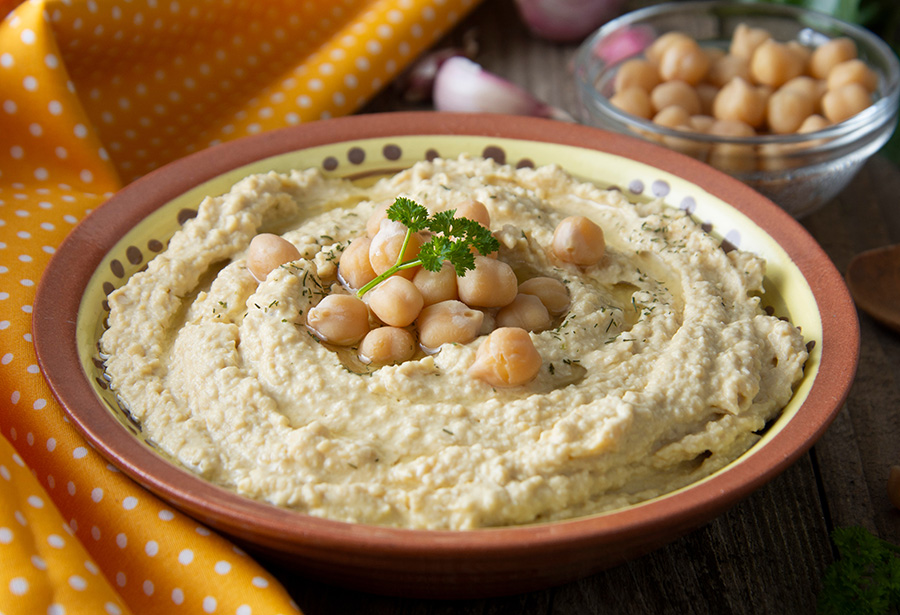
For homemade hummus – I’ll also put this recipe below – obviously, you’re going to need chickpeas or garbanzos. Usually you need two cans, and you should keep some of the liquid aside because if you need extra liquid, you can use that lovely flavored water from the tins instead of regular water. Then add cumin and lemon juice. Some recipes use tahini, which is sesame seed paste, but I don’t really like that, so I substitute it with macadamia nut butter. You can use any nut butter that you like, but that’s a nice neutral tasting one. I also use olive oil and a couple of other things.
You can make it in the blender, and then keep that in your fridge. Scoop some out when you need it. It only lasts a few days in the fridge before it starts to get old, so I also put some in the freezer in the same silicone container with compartments. Put some hummus in each compartment, and add a little olive oil so it doesn’t get dry. Then you can freeze it, and pop one cube out at a time to defrost, and that’ll last you a day or two.
I was just thinking about how it’s funny that they always say you need more protein, or you need low carb, or you need keto, and all those things. But there’s hardly ever a time when people say you need a high fiber diet, or you need more fiber in your diet. I really think it’s one of the most valuable things in a diet, and it does great things for people – the magic of fiber.
My Favourite Source of Fiber
One of my absolute favorite things of all time – you’ve probably heard me mention this – is globe artichokes. Globe artichokes are incredible. They’re one of the highest fiber foods, even higher than edamame, and much higher than broccoli or Brussels sprouts, and they’re the best-tasting for sure. I’m sure my daughter who edits the text of this podcast for me is licking her lips, because they’re one of her favorite things too.
Take a fresh artichoke, cut off the stem, cut off the leaves across, and put it in to steam. I use a stainless steel steamer tray that you just need to put in a pot with water underneath. I steam artichokes for about 30 minutes, making sure the water doesn’t run out. They’re just stunning! You pull off each leaf and scoop up whatever dip you like. You can use melted butter if you like. I like to mash up some nice soft goat’s feta with a little water, and dip it in that. And then as you get past the leaves, you get to the heart. You can eat all those parts, and it tastes so good.
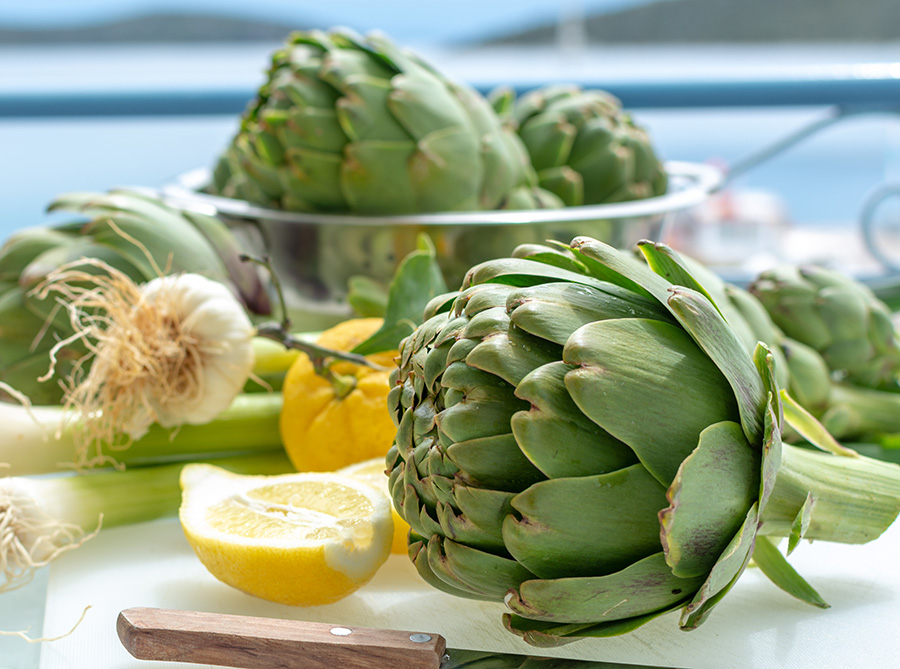
The fiber in them’s incredible! It’s something like eight grams of fiber per artichoke. Imagine how much that is. I have two of them at the beginning of dinner, so that’s 16 grams of fiber right off the bat. Artichokes are fantastic, and if it’s not artichoke season, then you can get tinned or canned artichokes. It’s better if they’re not in seed oils, but if they are, just wash it off and put some of those in your salad. They’re amazing! I often do that at dinner time.
Last Ideas for Getting in Your Fiber
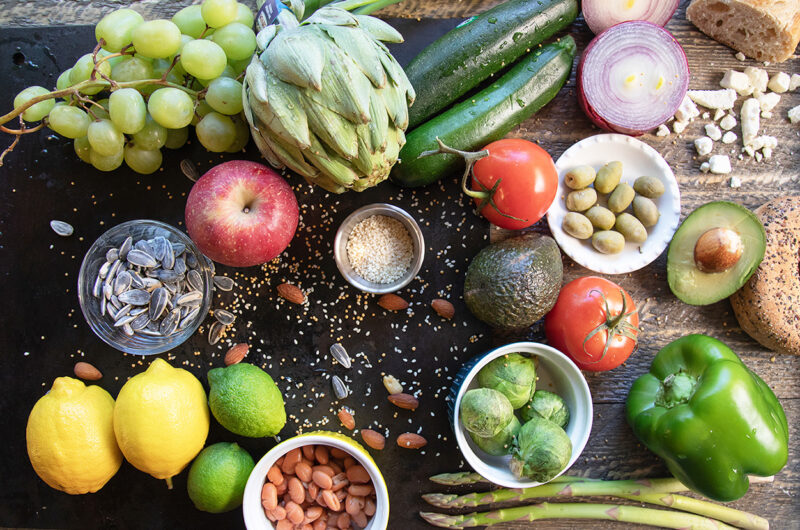
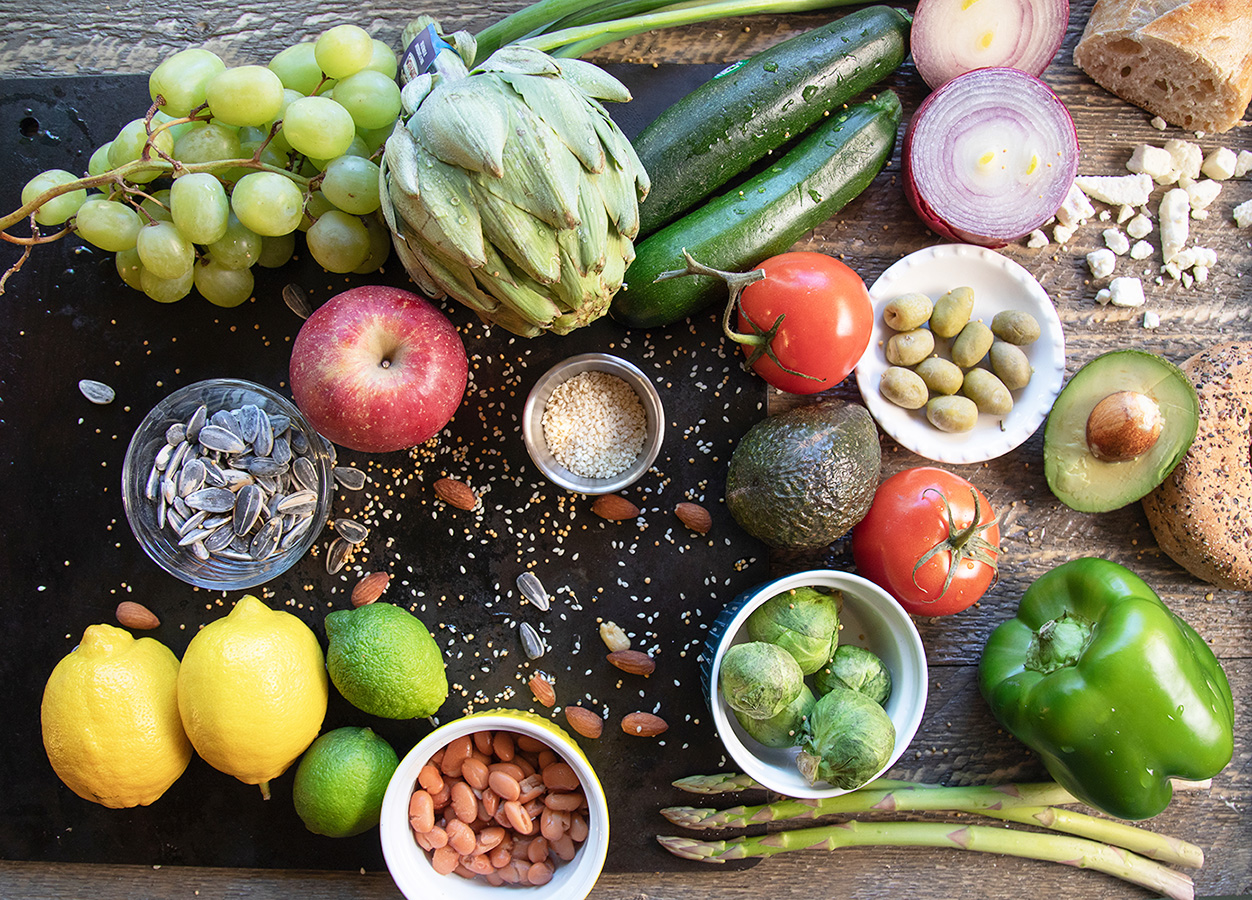
And then, of course, you can add the usual – broccoli or long stem broccoli, Brussels sprouts, or asparagus. Those things are all good and high in fiber as well. Some fruits are very high in fiber too, like apples and pears, as well as berries like blueberries, raspberries, and strawberries. Those are all great in terms of fiber. There are also soups like cauliflower soup – I enjoy having that often. Broccoli soup is a great way to increase your fiber, and to make sure you have it at the beginning of a meal.
And then lastly, I want to mention pickles. Pickles in vinegar are okay, but the best kind is the lacto-fermented kind that you can make on your counter. It’s easier than you think. The most important thing is to remember the ratio of salt to water. It depends on you, and you have to tweak it as you go, but if you take a quart or a liter of water, add about two to two and a half tablespoons of salt, or more if you like the pickles really crispy and sour. Start with two and a half tablespoons of salt to your quart or liter of water, and mix that up well. That’s your brine.
Then take a jar and put your baby cucumbers in. Add about a tablespoon of mustard seeds, a couple of teaspoons of dried dill, or some fresh dill if you like, and a bay leaf. I like to add a little capful of apple cider vinegar to help it get going with the fermentation, and even a tiny bit of sauerkraut, because that introduces those good bacteria, but those aren’t vital. Add a little bit of garlic, like one clove crushed, and then add the brine and mix it up.
It’s important that the pickles don’t stick out the top. Sometimes I have to wedge one in the top to stop them from popping up out of the water. Leave about an inch of space at the top of your jar, and put the lid on very loosely. Just leave it on your counter and give it a shake every day. Leave it for about four days, and then put it in the fridge. By then they should be good to eat. Some people prefer the really sour, vinegary ones that are made with actual vinegar, but those aren’t actually fermented, and they don’t have as much of the good, healthy bacteria, but try what you like. Pickles are really yummy.
I hope this inspires you, and I hope you try some good fiber foods this week for one or two or three of your meals. Start with the fiber – that really works great – and then move on to your protein, et cetera.
Hummus
4
servings30
minutes40
minutesIngredients
1/3 cup macadamia butter
3 tablespoons olive oil
1 1/2 - 2 medium lemons, juiced (to taste)
2 15-ounce cans chickpeas, drained with liquid reserved
1/3 cup chickpea liquid (keep a few extra tablespoons on hand to adjust thickness)
1 garlic clove, crushed
1 1/2 teaspoon ground cumin
3/4 teaspoon kosher salt
Directions
- Add the macadamia butter, olive oil and lemon juice to your blender.
- Blend until it starts to thicken.
- Add the chickpeas, liquid and seasonings.
- Blend until smooth.
- Store in the fridge.
Notes
- Pro-tip for blending: Macadamia butter is thicker and contains more natural oil than tahini. To prevent your hummus from separating or becoming too dense, blend the macadamia butter, lemon juice, and olive oil together in your blender for one full minute before adding the chickpeas and spices. This emulsifies the fats and ensures a velvety, light texture.
Salad Sprinkle
4
servings30
minutes40
minutesIngredients
1/4 cup sesame seeds
1/4 cup nutritional yeast
1/2 teaspoon onion powder
1/2 teaspoon salt
Directions
- Blend everything together in a coffee grinder until finely ground.
- Store in the fridge and sprinkle over your salad!