Last time, we talked about cooking vegetables well, making them delicious, and keeping the nutrition in them while you cook them. Today we’re going to talk about a couple more vegetables – some ways to make them interesting, and to make them taste so good that your kids will love them. Then we’ll talk about cooking starches as well.
How to Make Vegetable Interesting
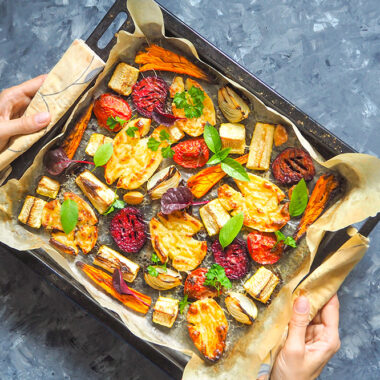
Vegetables can be just as interesting as you make them. Sometimes it’s great for them to be as simple as possible. For example, steamed long-stem broccoli eaten plain is delicious. You don’t need to add salt or butter, though you can if you want. On the opposite side, however, butternut sometimes needs more help. You can cook it on its own, roasted with oil and salt to help it taste good.
Something else you can do with a butternut squash, a sweet potato, a gem squash, or a large zucchini or marrow is to bake it whole in the oven. Wash the outside, and then stick it in the oven without doing anything else, either on a tray or just on the shelf, and cook it until it’s soft. After that, you can cut it open and make some interesting combinations by putting things inside. So, you can either cut the vegetables up first and steam them, or just put them whole in the oven and bake them. If you’re cooking sweet potatoes, maybe you’d do a few more than with the other vegetables, as they’re smaller.
Butternut is a very large vegetable, so after it’s baked – when it’s soft and a golden caramel color on the outside – then you should cut it in half and scoop out the pips. It’s the same with gem squash and zucchini; you want to scoop out any part you’re not going to eat, and then you can put something in there to make it interesting.
Butternut’s nice if you add some feta and spinach. Once it’s nice and soft, cut it open, scoop out the pips, and then put the halves on their backs on a tray. Then add a few baby spinach leaves with the stalks pulled off, and a bit of feta. Put those back in the oven and bake them for another 10 minutes or so. The spinach softens nicely, and the feta melts, and you can mix the two together. This works well with goat’s cheese as well. You get a really good flavor from that little filling. You can mix it up before serving, or serve it like that. People can take a scoop of the butternut and a scoop of the feta spinach mixture.
You can cut the gem squash in half and scoop out the seeds, and then add some cinnamon, maybe a little maple syrup or honey, maybe a little salt, and something like sweet corn or peas, or whatever you enjoy. You can bake sweet potatoes whole, as I said, or you can slice them in half first, and then put them face down on a baking tray. Add oil and salt, and make sure you move them around to get oil on the part facing down, so that it crisps up nicely. This works great with potatoes as well. Cut them in half, put them on a baking tray face down, add the olive oil and salt in the same way, and then bake them until they’re nice and crispy.
Corn on the cob is also a great veg to enjoy with your meal. You can have it as an appetizer separately. Have your corn nicely cooked with a bit of butter and salt, and enjoy that. I like them best if they’re soft, so I don’t like to grill them without steaming them first. Steam them for about half an hour, and then if you like that charred effect, you can put them on the grill for a bit. You can even steam them in advance, and then grill them later on to get that nice charred finish.
This is a good time to mention my small recipe book, Elegant Easy Appetizers. It’s got a lot of vegetables and salad-type things that either don’t require much cooking, or don’t need any at all. In there you can get some ideas for unusual, interesting ways to cook your vegetables.
One of my favorites in this book is a zucchini or marrow, red pepper, and halloumi appetizer with basil pesto. Use a vegetable peeler to make zucchini strips, then steam them, and once they’re soft, toss them with salt and basil pesto. Then cook your halloumi cheese so that it’s nice and warm, and golden on both sides. You also need to steam your red peppers. You can steam them in the other half of the steamer while you’re doing the zucchini, and then add a little bit of olive oil and salt after they’re done, or you can roast them in the oven with olive oil and salt.
As a side note, just about every vegetable works great with olive oil and salt in the oven. Sometimes I want some red pepper to add to salad, so we chop some up, add oil and salt, and roast them in the oven for a short time. That makes them sweet and delicious.
For this appetizer, you then put the zucchini strips in a little pile, and add your red pepper and halloumi on top. That’s a delicious combination of good veg and cheese. Having cheese with vegetables is a good way to enhance them – something else we enjoy from that book is slices of cucumber with a little cream cheese or goat’s cheese on top, as well as halved baby tomatoes, a bit of basil pesto, and maybe some balsamic vinegar drizzled on. Just be creative. Obviously, a good salad with feta is delicious, especially with avocado added.
You can use your vegetables to hold your meat or your mains. A common example of this is halved red bell peppers with a mix of ground beef and rice inside. You cook those together, put it inside the halved peppers, and then bake them so they’re nice and soft. You could also do it with brown lentils and rice in a good flavored mix. Put it inside your red pepper and then bake it, and then you could put cheddar, mozzarella, or feta cheese on top of that.
You could do the same thing with a gem squash or butternut. Scoop out some of the inside, and then add a little bit of the ground beef and rice combo or the lentils and rice combo. That makes a vegetable an elegant piece of food. You can have one half for each person.
Cooking Delicious Starches
Starches are the foundation of many meals: pasta, rice, potatoes, etc, and knowing how to cook them well really enhances your meal. We don’t want to overcook them either – overcooked pasta becomes squishy, and overcooked rice is stodgy. Overcooking potatoes, especially in the oven, can cause them to become hollowed out, and then there’s much less inside when you eat them. It’s important to know how to check when they’re ready, to know what length of time to cook them for, and what the best methods for cooking starches are.
Let’s talk about rice first. This is something that I’ve never been able to cook very effectively in a pot. No matter how many times I try, it often doesn’t come out ideally. For me, a rice cooker is amazing because it tells you exactly how much water to add to the rice; up to which line, and then it cooks it the perfect amount and then stops. As long as you take it out in time, the bottom doesn’t burn, and then it’s perfectly cooked.
You should also learn which types of rice need which amount of water. This applies to cooking in a pot as well. Usually, it’ll tell you on the packet – something like three cups of water to one cup of rice. Sometimes it’s just double the amount, depending on the kind of rice. You want your rice to be tender, but still in separate little pieces, not wet or mushy or crunchy. The way you should cook it depends, as I said, on how much water it says on the packaging. Basmati rice needs a different amount to jasmine, long-grain, or brown rice, et cetera, but the basic principles are the same.
Measure your rice, and rinse it if that’s appropriate for that type, and then add the correct amount of water. Add some salt, and then bring it to the appropriate temperature. Once it reaches a simmer, you need to reduce the heat and cover it. Avoid lifting the lid a lot because that will affect the process. Let it rest a little bit after cooking, and then fluff it. It’s important to take it off the heat to rest.
It’s important to learn about the particular types of rice that you enjoy cooking. Check what proportions, what cooking time, and what level of heat will give you the best results. Then once it’s cooked, you should gently fluff it with a fork. That lifts it and makes it just right. For me, rice has never been easy, but it’s supposed to be an easy starch to cook, so hopefully it goes better for you.
Roasting potatoes works wonderfully. You can roast whole potatoes, or you can cut them in half, put them face down, and rub the ends in the oil and salt. That method takes less time to cook, and it makes them nice and crispy. You could also partly steam your potatoes, and then cut them up and put them in the oven to roast. You can cook these at a high temp, like 200 Celsius – 400 Fahrenheit, after adding some good seasonings. My daughter likes to add all kinds of things, like onion powder, smoked paprika, chili, salt, and various kinds of herbs like oregano, as well as some butter or even oil again.
Roast those until they’re really good and crispy. It’s important when you’re roasting potatoes to make sure they’ll have a soft, fluffy center, but crisp, browned edges. That’s why it sometimes helps to steam them first. It’s also helpful to use the right kind of potatoes – usually good ones will say “roasting potatoes” on them. Make sure you chop them evenly so that the pieces cook in about the same amount of time. Also, don’t crowd the tray. You don’t want them to be too close together, as that prevents them from getting those nice crispy edges
Mashed potatoes work best if you steam them first. You can either peel them, or leave the peel on, if you like that. Steam them until they’re very soft, and then warm the milk or coconut cream that you’re going to add. Add all your herbs and spices, and then mash them. The important part is to steam them until they’re really soft.
Here are some variations on mashed potatoes. As I said, you can leave some of the peel on to get a more rustic mash. You can add fresh or roasted garlic. You can mix in fresh chopped herbs – I’d do parsley or oregano. You can add greeted Parmesan or Parmigiano-Reggiano. You can add butter and cream to get a richer version if you like that, or olive oil for a lighter Mediterranean-style mash. Just make sure the olive oil tastes good on its own, otherwise the potatoes will taste strange. You can mix in caramelized onions, or you can even mix in cooked green beans. You can combine different kinds of potatoes to get a very interesting mash.
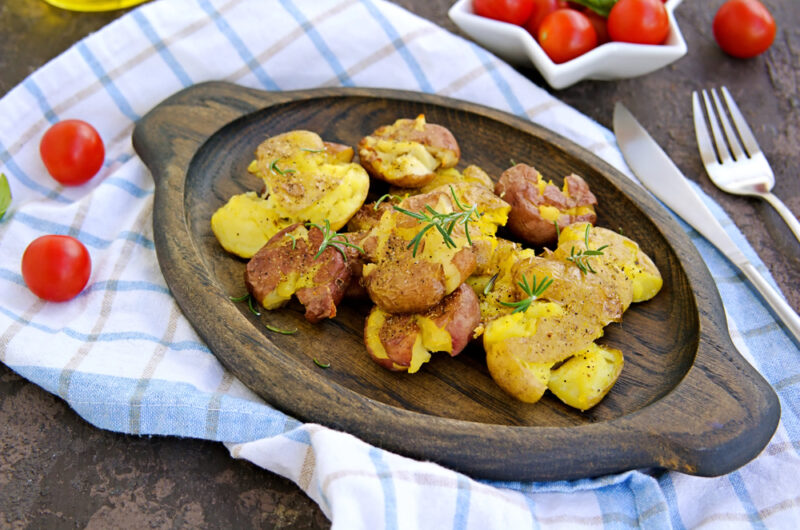
One more thing to mention about potatoes – if you want to try, you can steam your potatoes, and then make “crashed” potatoes in the oven. You could also bake them, as I mentioned, with oil and salt on a baking tray, and then make them into crashed potatoes. This simply means that after they’re cooked, you squash them down with a potato masher, leaving the skins on.The skin opens up in places. Then you add more seasonings – more salt, maybe onion powder, cheese like cheddar, and maybe Parmigiano-Reggiano on top. You can sprinkle on some feta, and then put it back in the oven and crisp it up. It’s a really delicious way to make your potatoes.
I’m not going to talk much about pasta here, even though it’s an important starch – it needs a whole other episode. But I’ll just say that when you heat the water before you add your pasta, you should salt it very well. Chefs say salt it like the ocean. You can even add a little bit of fat, like a tiny bit of coconut oil, to help the pasta not to stick together.
Then you cook it to a good consistency. They say it should be al dente, though I like it a little more done. It will cook a tiny bit more after you drain it, but not too much, so to taste it is the best way to check how much longer it needs. Then after you drain it, you can keep a little bit of the pasta water to add to your sauce, or back to your pasta to make it a little looser. I always add olive oil, salt, and some Parmigiano-Reggiano to the pasta immediately after draining it – sticks well at that point – to make the pasta extra delicious. That’s before adding any other sauces or anything.
Summary
So, enjoy cooking your vegetables, and enjoy experimenting and making them taste good. Butter and salt, or olive oil and salt is always a great place to start to enhance your veg. Then find interesting ways to combine vegetables and starches.
Stir-fries are obviously a good combination of vegetables, with things like spinach, julienned carrots, butternut, zucchini, and cabbage. You can cook all those things together; just heat them in a skillet with some salt and some soy sauce or whatever you enjoy. A little bit of sesame oil works well. It’s good to put a lid on that while it cooks to help the vegetables to soften while they fry.
The most important thing in terms of skills for cooking vegetables is to learn when they’re ready, and not overcook them. Look at the color, feel the texture, maybe listen to the sound it makes in the pan, smell, and taste as you go. Ask yourself “Is it still too firm? Is it beginning to brown? Does it need more salt? Is the pan too hot? Does it need more time?” Then you gain experience and your vegetables get better and better.
Obviously, you can include vegetables in stews and casseroles, and that’s an easy way to fit more of them in without having a separate dish. Also, you can add grated carrot, grated zucchini to your ground beef when you’re cooking it to have more vegetable goodness in there. Happy cooking!