Today we’re going to be talking about what the French do in their eating habits to help with digestion and general health – ways they approach their food and their dining. I’ve spoken a lot about the French before. They’re very inspiring, as are many European countries, with their eating habits. Today, I’m going to come at this topic from a slightly different angle, but it’s always interesting to hear what the French do.
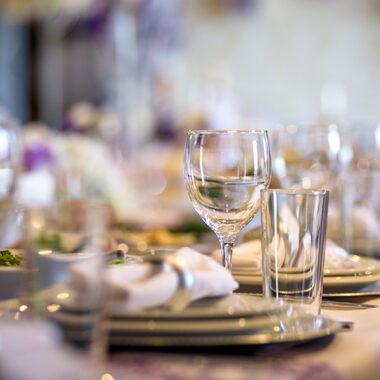
Firstly, their meals are a social occasion. It’s time to sit down and focus on the food – It’s not time to multitask or to eat while you’re at the computer or the TV.
It’s a time to be together as a family or with friends. Because of this, they eat slowly, putting aside that time for eating. They have courses. They don’t rush, and they give their bodies time to enjoy each part of the meal, to notice it, to be present, and to slowly chew and swallow. They have breaks in between courses – sometimes even a walk, so that their bodies can digest in the best way possible.
I think this is such a good way to do it, because it’s so easy to be focused on what you have to do after dinner. There’s clearing away, and there’s a lot of dishes to do, or maybe you’re just in a rush. I find it so much more rewarding and nourishing when we can have slow meals together that involve some good connection, some fellowship, and maybe a bit of music to help you relax and slow down.
Also, it helps when we don’t eat the food too fast, but we break it up. Maybe you can have your vegetables first as an appetizer – maybe steamed broccoli with salt and butter, or some kind of salad. Then after that, you eat the main meal. Then there’s less on your plate, and it’s harder to gobble it down, and it makes for a really enjoyable dinner experience
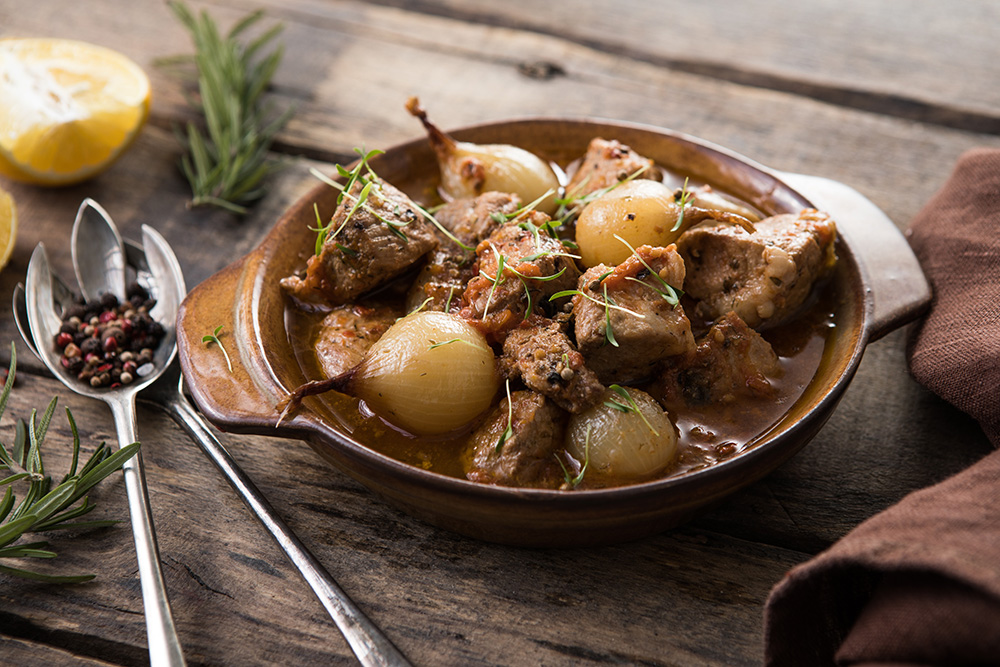
Another thing is that the French are good at having regular meals. They eat a meal at the same time every day, and their bodies know what to expect. Their meals are very nourishing – lunch and dinner are the larger ones – so they’re not constantly snacking between meals. I’m sure it’s better for your blood sugar to not be snacking all the time.They really focus on the meal when it’s mealtime, and on the rest of their day when it’s not mealtime. They make sure each meal is satisfying, and then it carries them through the rest of the day.
Eating at the same time every day seems to be really helpful for our bodies. Then they know what to expect, and they don’t release a whole lot of stress hormones or sugar from the liver if it feels like we’re not eating for a while. It’s important to have regular meals at regular times, knowing what to expect, and enjoying those times together.
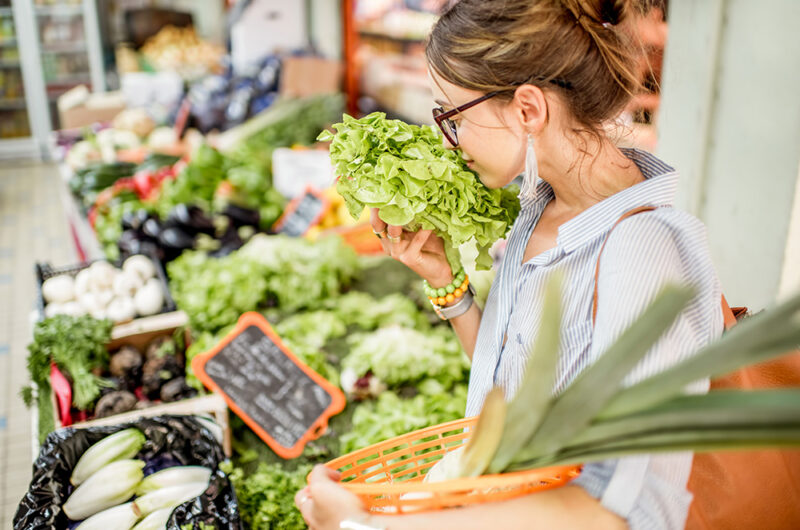
Number three – the French prioritize whole, fresh foods. Often they even go to the market daily or every second day to get fresh fish, meats, vegetables, and seasonal fruit. They don’t just have any fruit, but fruit that’s in season. That’s so much healthier. They also get legumes, and maybe bread and cheese there. Going to the market every day means they can pick what’s fresh and local and in season. It’s so much more delicious and nutritious.
They also cook it that same day. I know this isn’t always possible. I’m very thankful for food delivery services so that I can order what we need to eat on a specific day and then have it fresh, but an outdoor market sounds amazing with all those good fruits and vegetables on display.
They eat fresh, whole foods, instead of processed ones. Maybe, instead of buying pre-made mashed potato, pre-made chips, or pre-made potato bake, just buy fresh potatoes and bake them on the day you eat them. Fresh vegetables are better than pre-chopped, pre-mixed, or pre-baked vegetables. You can have whole sweet potatoes, fresh fish, and whole chickens. Instead of always eating only the chicken breast, you can get the whole chicken with all the collagen and all the good parts. Whole, fresh foods are really a good way to go.
The French also practice portion control. They know the meal’s going to be in courses, so they don’t need a whole lot of food in each course – they don’t need a whole lot of one thing. This also helps with variety. They have small servings, not huge ones. Because of this, people will often stop eating when they feel satisfied, or even a little bit before, and then their stomach will catch up. They’ll be full at the end of the meal, even if they stop eating a little before they feel completely full.
Portion control is a great practice, and the size of your plate can help with this. If you start with a smaller plate, you’re probably going to put less food on it. It’s very helpful if you use a smaller plate for your appetizer and then a medium-sized plate instead of a large one for your main.
Also, try just cooking a little less. I find that when we have an appetizer like a cauliflower soup – that’s basically made of cauliflower with a bit of cheese and cream blended in – then there’s a certain fixed amount. We divide it between our seven bowls, and that’s what there is. After we’ve had the first course, we need less chicken curry and less rice, or whatever’s following.
I also often like to package some glass containers of meals for my hubby and son’s work lunches, and then that goes straight into the freezer. It’s packed at the beginning of the meal so that we don’t have to worry about whether there’s enough left after we’ve eaten. What’s left after packing the lunches is what’s for dinner. With these methods, we can have different courses and a variety of food without it having to be fancy. Breaking the meal up into the parts, and eating them individually helps you eat slower and eat less, and also helps you to not need as much meat or the expensive parts of the meal
Another good habit is starting your meals with vegetables. The French often do this. They’ll have some kind of salad or vegetable or soup at the beginning, and eat the main after that. Cauliflower and broccoli are our favorite soups because they’re so easy to make. You just put a little bone broth for protein into the pot with some chopped up cauliflower or broccoli and some salt. You can also add a few chopped potatoes, especially to the broccoli soup, if you’d like to. Then when it’s soft, just add a little cheese and cream or coconut cream, and blend it up, and it’ll be delicious.
You can also have raw vegetables – crudités – like carrots and cucumber sticks with mashed avocado with a bit of salt. You could have a Caprese salad, which is tomato slices with basil leaves, mozzarella, and a bit of basil pesto. Those things are delicious, and they also help with your digestion. You could also do some kind of arugula salad.
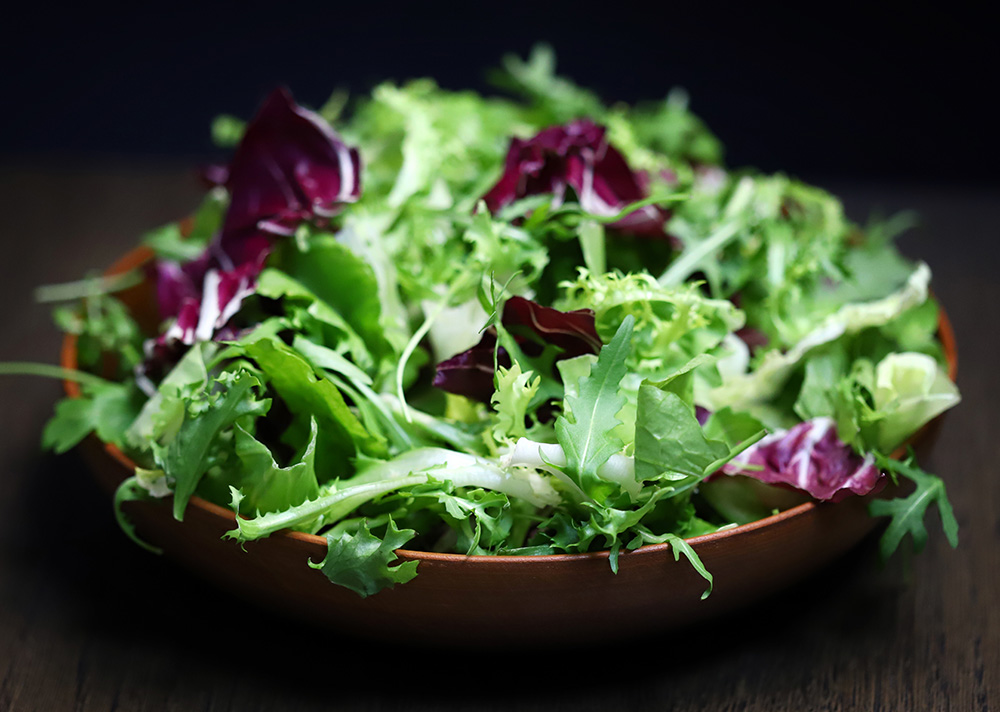
Another thing the French often do is to end their meals, especially rich meals like roast chicken, with some fresh leaves. They’ll just eat some plain leaves with some olive oil and lemon juice, and maybe a bit of salt. You can do this as your appetizer at the beginning of the meal, or you can have it at the end. It helps with digestion either way.
The French often include fermented foods in their diets. Maybe not in every meal, but they probably eat these every day. Their cheeses are very fermented, and they have yogurt with live cultures, and perhaps things like sauerkraut.
Another good habit is walking after meals. I mentioned this earlier. Taking a leisurely walk after lunch or dinner is a common practice in many parts of France. Also, of course, they walk often to work. Perhaps they walk to a restaurant in the middle of their day, and they also often walk in the evenings. Even a 10 to 20 minute walk aids digestion, helps regulate your blood sugar, improves your overall health, and gives you some fresh air and time to chat along the way. Taking a walk after a meal is a great thing to do
Then, as I mentioned earlier, eating three meals regularly at the same time every day is great. Not snacking all day means you limit mindless eating. Sometimes we sit at the laptop or we’re reading, and we have a bowl of something that we just snack on. This is not really necessary, and it slows down your digestion. It makes your blood sugar rise in ways that’s not necessary. The way to have food satisfaction is to have good, delicious meals that you can look forward to. Then you’re not going to be snacking just to get rid of that bit of hunger or that craving, but you know you’re going to have a proper meal.
I know all this isn’t easy, especially when we’re homeschooling and having to cook for our families, or perhaps we’re at work all day – it’s really hard to eat well. I think the key is preparation and planning in advance. We can have some things in the freezer. I’ve got some trout and vegetables in the freezer at the moment, and it’s easy to take those out and heat them up at work or at home in the air fryer. That way, you don’t have to think about every meal as much.
You can have some quick, easy things in your fridge. For example, you could have some mozzarella and basil pesto that you’ve made already. I made some basil pesto recently, and then froze it in small cubes in one of those cube containers.
It’s very easy to make – I basically blended some pine nuts, then added a few walnuts because I’m trying to eat more of those, with about two cups of basil leaves, and about half a cup of olive oil, or maybe a bit more. You can see how it blends and decide if you need more. Also, add some salt. You can add some other herbs or microgreens. You can add a bit of Parmigiano Reggiano if you like, and a little lemon juice. Basil pesto’s nice for so many meals. You can have it on fish. You can have it on cucumber and tomato salad, or with mozzarella, as I said. You can even have it on bread.
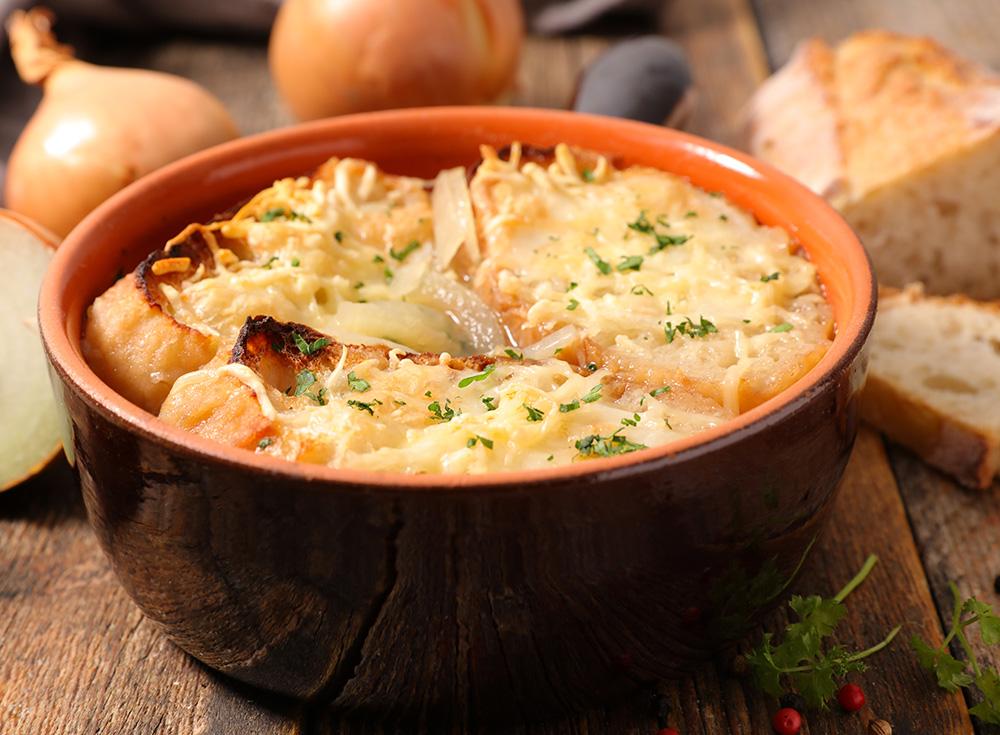
It’s a really great addition to many meals, and it’s got high plant fats. I also added a little bit of flax oil to get some omega-3. These are good things to do. Just think about what you like to eat, and then have it prepared in your fridge for easy access. It even helps to have a part of the meal ready while you prepare the rest.
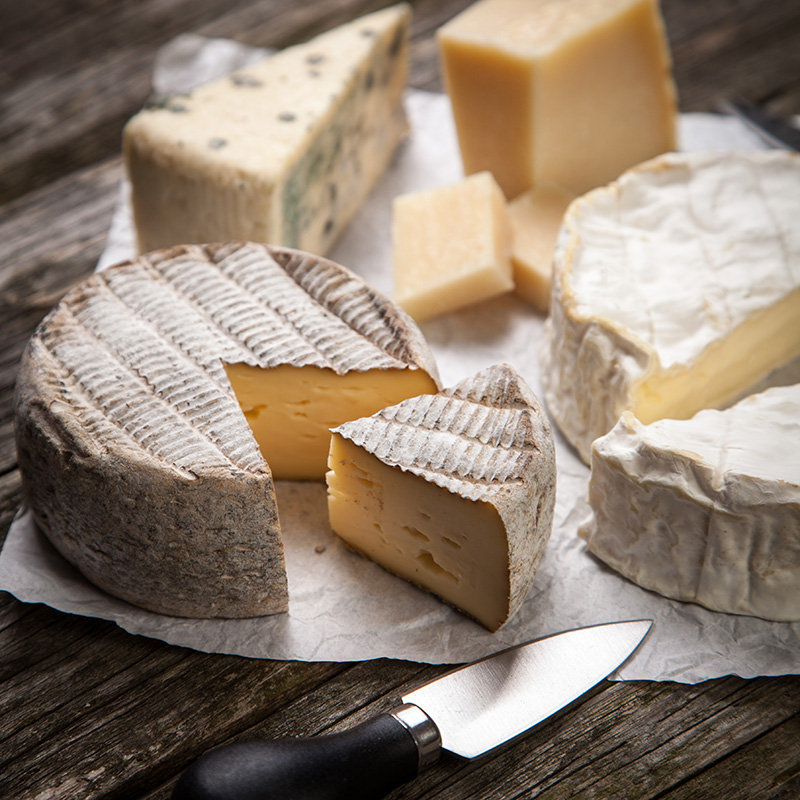
Another common practice with the French is to finish their meal with fruit, with a fruit dessert, or with dairy like yogurt or cheese. All of these things help with digestion as well, and they’re not very heavy, rich, or high in sugar. You could have baked apple with cinnamon, something with peaches, plain yogurt with fruit like blueberries on top, or a couple of cheeses to choose from. Often they’ll have a baguette along with the meal or with the cheese course. You can choose whether to include that or just eat the cheese on its own. French bread is a common part of the meal.
The French are good at enjoying their treats in moderation. Perhaps they’ll have really good quality chocolates – enjoying a small piece at the end of the meal. They’ll sometimes have a pastry for breakfast, or enjoy one occasionally for a dessert. A rich French dessert like crème brûlée would be maybe once a week, not more often.
All these things really help us, I think, to eat healthy meals, to eat well, and to feel satisfied and content. I find it really fun to have a lettuce, arugula or bitter greens course at the end of the meal with a bit of dressing, or to put the microgreens on top of the meat. If you start with vegetables as a first course, and then you have meat with some starch on the side, like some steak or a chicken breast, you can pile some microgreens on top of that. It really adds to the interest of the meal.
To have the cheese course is also really fun. You can keep a few different cheeses in the fridge. You don’t need a lot – that can be too expensive. Just put a little bit of each one out and let people try those. It definitely helps with digestion and helps to clean the teeth. Of course, a salad adds fiber, refreshes the palate, and increases your veggie intake.
The French are definitely good at optimizing digestion – they eat slowly, they chew thoroughly, and they don’t have huge portions. They sit down to eat without rushing. They drink some water and take a gentle walk after a meal, rather than lying down. They finish the meal feeling comfortably satisfied instead of overly full. These are good habits to be aware of!
A French-inspired day of eating may include a breakfast of plain Greek yogurt with berries, or French yogurt and a slice of bread with butter. Lunch may be a mixed green salad with grilled chicken or fish, some vegetables, and perhaps some of a baguette. A snack could be some fruit and a handful of nuts. Then for dinner you could have vegetable soup as an appetizer, then some baked salmon and roasted vegetables, and then fruit for dessert.
This helps me to think about my meals and how I want to structure them, both for my family and for myself. And it definitely helps me to realize that mealtime should be when we eat, and we shouldn’t try to snack all day. Mealtime is when we enjoy time with others, and when we relax and take our minds off the work of the day for a little while, and be refreshed.
So, I hope this inspired you in some way. If you’re interested in some ideas for easy appetizers, our recipe book, Elegant Easy Appetizers, which is very quick preparation with only five ingredients for each thing, is on https://familyfoodformoms.com/shop/.