Today I want to talk about desserts, and how it’s not necessarily bad to have dessert, even if you have it quite regularly. I was recently talking to my mom-in-law who’s visiting from Belgium, and she was telling us how in Belgium people often eat dessert every night.
Most nights they have a three-course dinner, usually starting with soup, then having the main, and then a dessert. It’s expected that there’s dessert every night. I think this is a good thing because it’s a much healthier version of a dessert. It’s not some highly processed, white flour thing – it’s made using natural ingredients like fruit. The spices that are in it are good for the blood sugar, and it’s seen as part of the meal.
What? Having Dessert Regularly is a Good Thing?
So, I wanted to talk about that a little bit, and tell you more about what they do, and about why having dessert is not a bad thing. Here are some reasons why it can be a good thing to have dessert with your dinner. One of the biggest things for me is that it extends your meal. It helps you to sit down to your meal for a longer time, have longer conversation and better fellowship, and to really connect over your meal, because you’ve got another course.
It’s a bit more work, so I definitely wouldn’t do this every evening, but on a couple of special evenings during the week, when we’ll have longer dinners, it’s great to have something delicious. It helps that I have some sons and daughters who enjoy cooking desserts. One of my sons likes to make a pear Tarte Tatin, or a peach cobbler, or some sort of custard.
For many Europeans, dessert is part of a structured meal. Meals are slower and more balanced. Dessert isn’t a random sugar hit; it’s part of the meal that’s planned. It’ll have some good ingredients like fruit. Also, you don’t eat a lot of it. You’ve already had a good meal with soup, et cetera, so you’ll have a small portion of dessert.
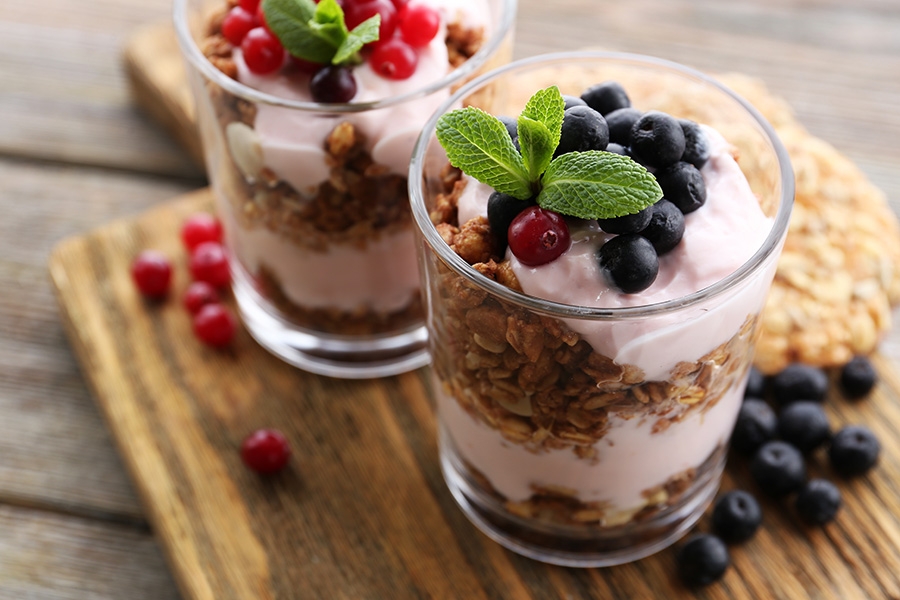
They make it using simple, whole ingredients. They use dark chocolate, plain yogurt with berries, baked apples, pears, et cetera. Of course, there are also the sweeter, more prepared desserts too, but they still use mostly good ingredients.
Europeans often have better overall eating habits. They enjoy their food. They don’t have a guilt or reward mindset. They have balance in their meals, and they’re not afraid of a little dessert. Also, of course, they walk a lot – they walk just about everywhere. It’s part of their daily life, and that helps to balance having the dessert.
They also don’t chase extreme sweetness. French desserts or other European desserts are often less sugary than what you’d usually find for dessert. Again, dark chocolate, yogurt, and fruit-based dishes will dominate, so their taste buds aren’t trained to expect that intense sweetness in a dessert. It’s almost just another course.
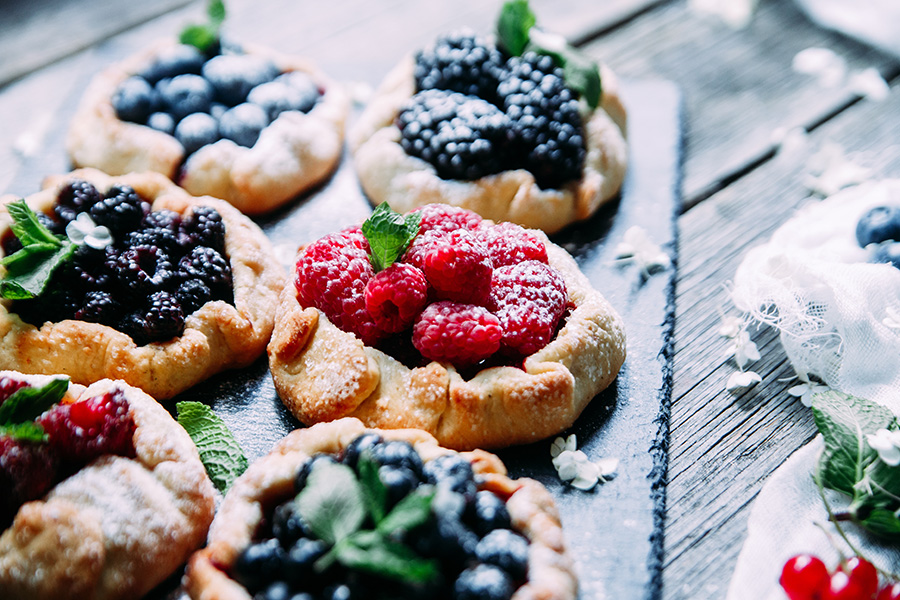
There’s definitely a quality over quantity mindset – they wouldn’t have huge portions. The portions are small and measured, and the food tastes good, as it’s really well made with high quality ingredients. It’s very tasty, but you don’t need a lot – you just need a little taste. You feel satisfied, and you can enjoy that third course. I think it’s important to eat dessert slowly, and to enjoy the conversation. You shouldn’t gobble it down, but enjoy it as a sort of cap for dinner.
There’s also definitely a psychological aspect – there’s no forbidden food. Because dessert is fine, people don’t feel like they have to overindulge when they finally allow themselves something sweet. That balance matters very much in your diet. Eating slowly also increases your satisfaction, and gives your body time to register your fullness. Then the smaller portions will feel like enough.
Also, in Europe, they often use seasonal ingredients for desserts. They’ll use berries in summer, and apples and pears in autumn and winter. Then these fruits are naturally fresher and less sugar heavy.
I really think it’s a big deal how these kinds of meals help increase your overall satisfaction, both physically and emotionally. A meal with a dessert, appetizer, and a main course doesn’t have to be that big. In fact, you’ll use less meat in your family if you structure your meals like this. Then your simple, healthy dessert gives the meal a feeling of being rounded off, being well balanced, and being satisfying. It’s very satisfying to have a meal like that as part of your regular routine.
How Dessert Can Be Healthier
Sometimes the French also have a cheese course at the end of the meal. They’ll have some cheese, maybe with some French bread. You could certainly do this course with just cheese – a few cheese slices or wedges on a little platter. You can even use cheese like mascarpone or cream cheese in your dessert – that can really be delicious. Cheese is actually really good for digestion, and the chewing of hard cheese helps to clean your teeth. There are good bacteria in there, so that’s a really good end to the meal. Sometimes, you could use the cheese instead of the dessert.
These are good things to think about. It definitely reduces cravings for sugar late at night if you’ve had a good meal with a good ending and a nice little dessert. A classic French dessert might still include some sugar and butter, but it’s smaller portions and higher quality. Overall, they’ll eat less processed foods, so it won’t matter in their diets. It definitely supports a balanced relationship with food. In that culture, foods aren’t labeled as good or bad – they’re part of a healthy diet.
Of course, the high quality ingredients play a big role. Their desserts have simple ingredients like eggs, butter, fruit, and dark chocolate, instead of the ultra processed additives. They have fewer artificial preservatives, and more actual nutrients. You’re nourishing your body with good ingredients, even though it contains some sugar, et cetera. Also, completely cutting out desserts often backfires, because then you don’t satisfy your sweet tooth. A small, well-made dessert can really satisfy your cravings.
Ideas for Simple, Healthy, Delicious Desserts
Let’s talk about a few options of simple desserts that we can make, which are inspired by the French or the Belgians in what they like to make for dessert.
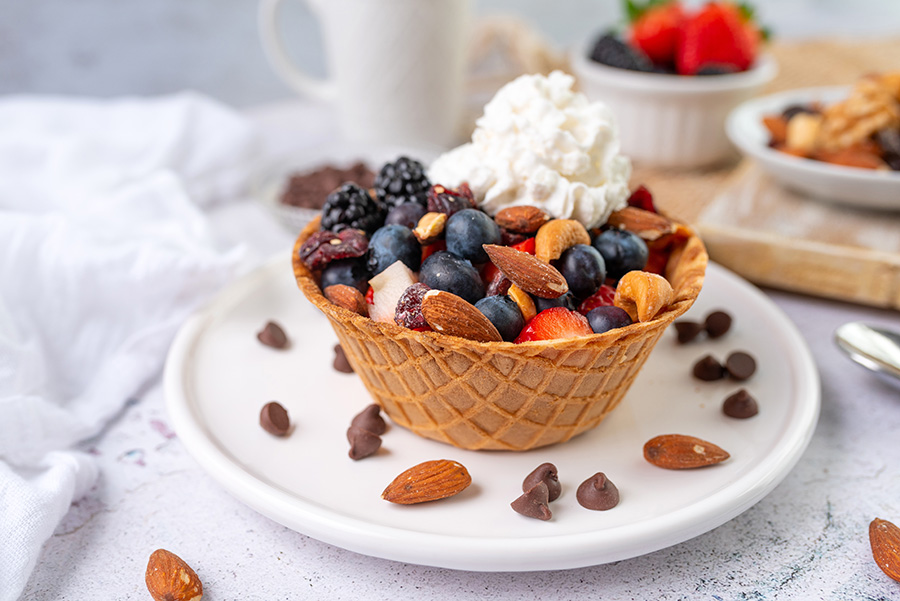
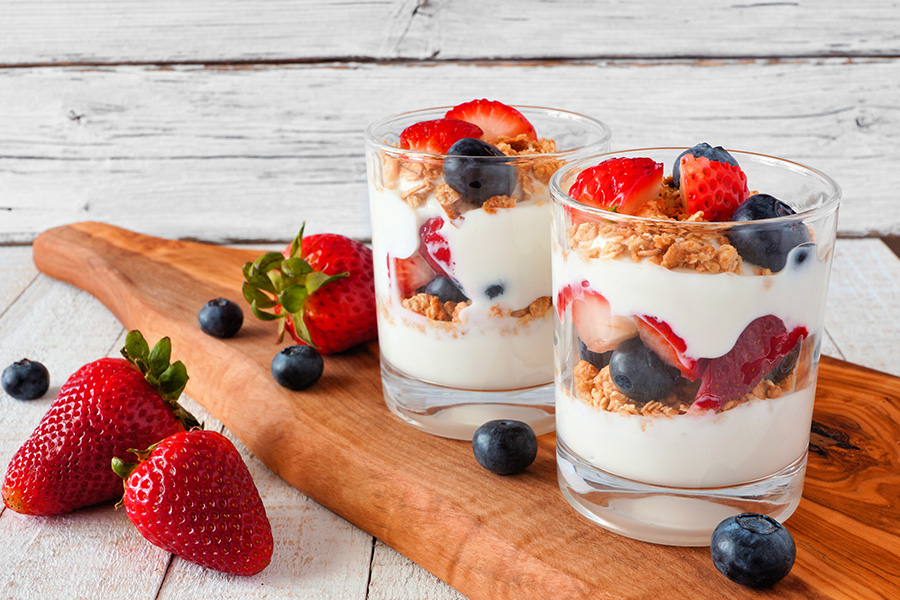
The French approach to sweets is about balance, quality, and enjoyment. An everyday lighter option, as I’ve mentioned, could be fresh fruit. Some fruit is really lovely and sweet, so that on its own could be enough. You could have some chopped up strawberries and a little bit of fresh cream, or a little bit of yogurt with some blueberries.
You could make a baked dessert with apples or pears. Simply bake the fruit itself, and sprinkle a little bit of sugar and cinnamon over it. When it’s good and soft, you can add a bit of fresh cream if you’d like to, and a drizzle of honey. You could have some plain yogurt with a drizzle of honey. You could simply have a little bit of dark chocolate. You could stew your fruit, like apples or prunes. That’s quite common and it’s easy on digestion.
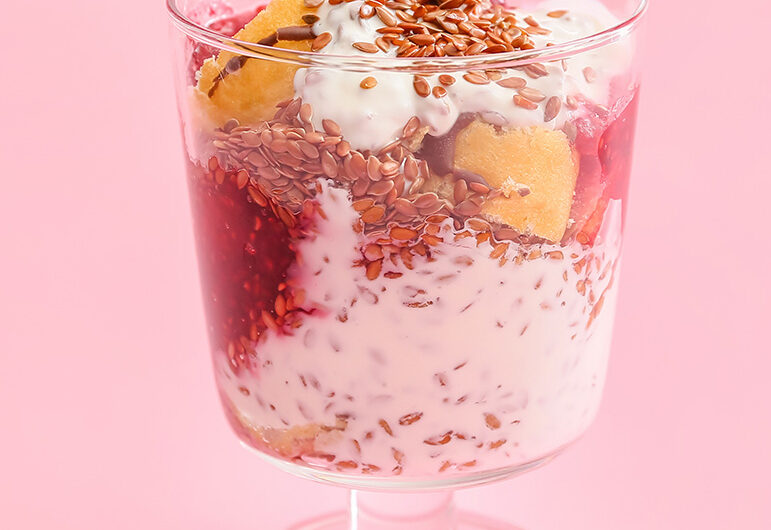
You could make a compote or a berry coulis, which is fruit that’s cooked down with a little or no added sugar. You can add a little bit of sugar if the fruit is tart and needs it. Basically, you cook down the fruit until it’s thickened. That’s delicious either on its own or as a topping for a dessert.
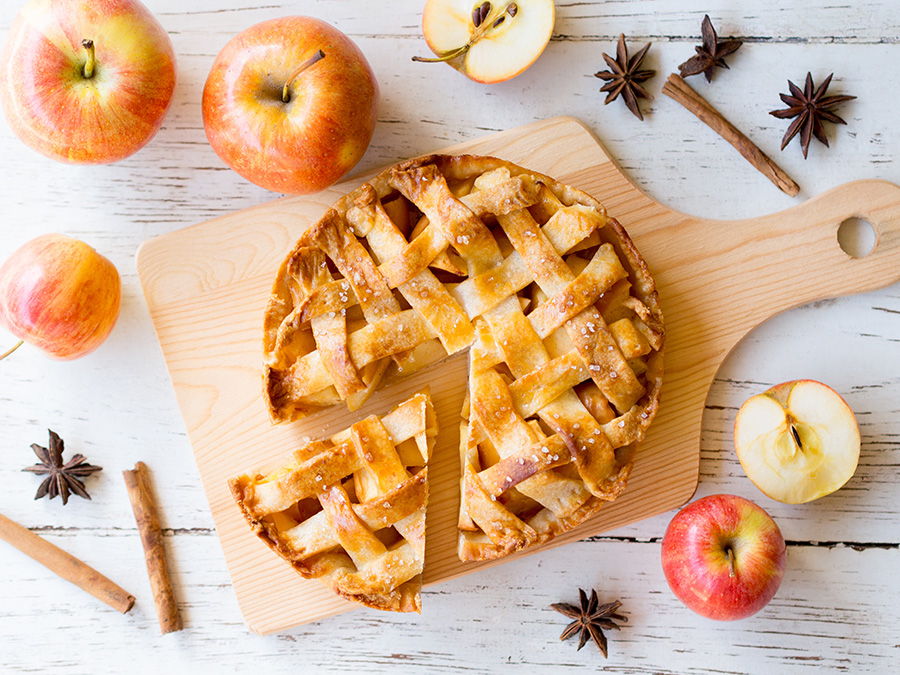
A homemade custard is delicious, and that’s also wonderful with fruit like strawberries or baked apple goes well with the custard. Then there are various tarts – these are sometimes easier to purchase than bake. You can certainly try something like chocolate mousse, a small tart, or a creme brulee. Occasionally, you could have a treat like a Belgian waffle with some cream on top, or pancakes or crepes with fruit inside.
Use wisdom to vary the sweetness of your dessert, and sometimes have healthier options like dark chocolate or fruit, with a bit of cheese. Then you can have more decadent desserts just once or twice a week. Another thing about cheese, especially hard cheese, is that if you have some fruit and chocolate with a little bit of cheese, it’s going to balance out that sugar. You’ll have less of a blood sugar spike if you have the cheese at the same time.
I think fruit-based desserts are the best things to go for most of the time – small amounts that aren’t highly processed. Remember, happy equals healthy, so having a good meal will really contribute to your overall health. Also, remember that dessert doesn’t have to be complicated. It can be as simple as some dark chocolate.
I hope that this has given you some good things to think about. Of course, it’s good to have meals without desserts because we don’t want to rely on that every time, but I think it’s a good thing to incorporate them into our meals more. We need to bring down our idea of dessert from a really complicated, sweet thing that we’ve either bought or baked, to simple good things that the Lord has given us. Desserts can be good, whole foods like healthy, delicious fruits. You can even chop up a mango as an end to your meal. That’s lovely and sweet, and you can add a few nuts on the side.