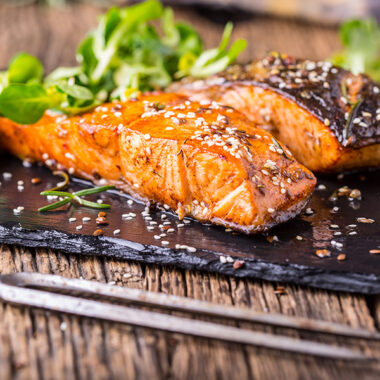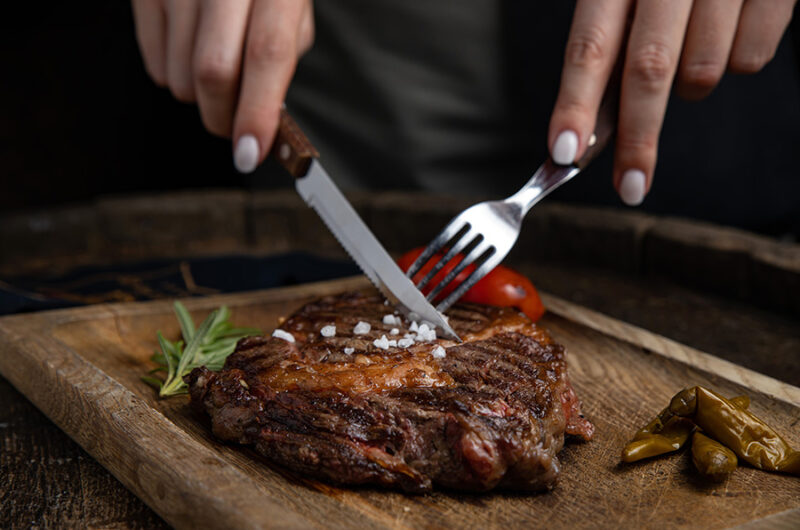
Today we’re going to be talking about cooking meat – knowing how to cook it, which kitchen appliances to use, how to make sure it’s not dry, but nice and moist, how to not overcook your meat, how to prepare it for cooking, et cetera.
Important Techniques for Preparing Meat
So, let’s start with some techniques that make all the difference. They seem like small things that wouldn’t actually matter, but they really do make a huge difference in making your meat tasty, and making it tender, not dry. Firstly and very importantly is to cook meat from room temperature. Have it at room temperature when you start cooking it.
This means that you need to take the meat out of the fridge or freezer in advance. If it was in the fridge, leaving it for twenty to thirty minutes before cooking is good. It depends on the season, though. In the summer, twenty minutes is plenty, but in the winter, it may be longer, even closer to an hour. You don’t want your meat to be cold because that’ll make it tougher. Whether it’s chicken breasts or steak, you need to take it out early. You want to be especially careful with chicken and pork, to not leave them at room temperature too long. Twenty minutes to half an hour is fine for them. Lamb and beef are a bit less finicky.
If you’re getting the meat out from the freezer, then you can put it on the counter for a little bit to start the defrosting process, but it’s best to defrost it overnight in the fridge, as that’s safest. Then you can take it out twenty to thirty minutes before cooking.
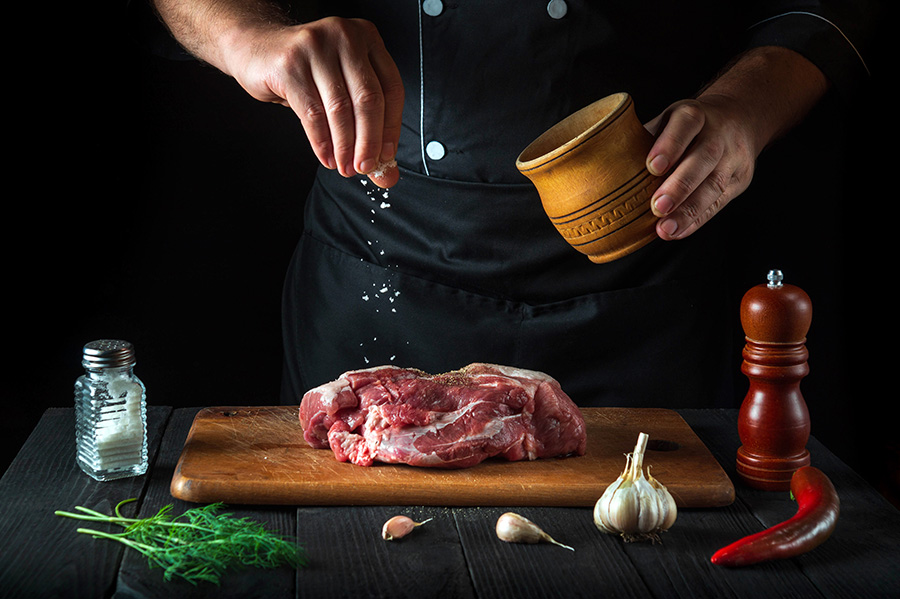
Secondly, you need to season your meat well before you even think of cooking it. You can do this immediately before cooking, or with steak or marinated chicken, you can season it during the marinating process. Seasoning steak can be as simple as adding salt and pepper. Some people add olive oil or another oil to the steak, but I find that then it burns easily, so I usually do that with steak in a pan. I just put lots of salt and pepper on the steak while it’s coming to room temperature, and then it’s good to go for cooking.
If you’re doing something in the Instant Pot or the crockpot, like a leg of lamb or some beef short rib, then you can season it with salt and pepper as well. Do that just before browning the meat to give it a good flavor. You can also add some more spices before you brown the meat, but just watch it because those can burn more easily. Herbs are definitely best added after browning so that they can stay fresh on the meat.
Marinating something like chicken kebabs is easy. You can just add some olive oil, salt and pepper, and spices and then cook them on the grill. You can even make a creamy marinade – there are recipes for marinades that you can find on the internet. Again, just be careful, because as soon as there’s marinade on something, it can burn more easily. Marinated meat tends to work well on the grill – hopefully it won’t drip too much and cause a fire in your grill – but it doesn’t work that well on the stove top because it can burn in the pan. The best way to cook marinated meat actually is in the oven, but we’ll get back to that.
Tips for the Meat-Cooking Process
So, after you’ve let your meat come to room temperature, and you’ve seasoned it, then you’re going to cook it in whatever method works best for that cut of meat. Once you’ve seasoned your meat, it’s very important to brown it or sear it before you put it in the slow cooker or the instant pot. You should even do this to meat like ground beef before you put it in a normal pot like ground beef – you want to sear it before adding the liquids.
If you’re going to be doing a leg of lamb in the crockpot or slow cooker, after you season it, put it into a hot pan and sear all the sides to seal in the moisture. Hold it up and sear the front end, the back, and et cetera. Then put it into your crockpot and add your herbs and the rest of the seasoning. If you’re going to be doing something like short rib in the instant pot, put it onto the saute setting, and then brown your pieces of meat before cooking them. Brown each piece and take it out until it’s all done. Then you can put it all back into the instant pot ready to cook.
So, browning your meat is a very important step. It seals in the moisture and flavor. The best way to get good flavor is all that lovely brown stuff that’s left on the pan. You can deglaze the pan if you want to have liquid in your crockpot. After you’ve browned a leg of lamb or whatever, there’s nice stuff on the bottom of the pan. You can add a little red wine or water, scrape it all off nicely, and pour it into the crockpot.
Don’t necessarily pour it over the lamb, because that could wash all the spices and herbs off – just put it into the bottom of the crockpot, and it’ll be delicious in your gravy. If you need liquid in your instant pot, instead of adding plain water, use that de-glazing liquid; some water or red wine with that stuff in it. This adds a huge amount of flavor both to your meat and to your sauces and gravy.
Also, it’s very important to rest your meat after cooking it. A general rule is to rest it for the amount of time you cook it, but this doesn’t apply to things like a leg of lamb. You can rest that for about twenty minutes. With steak, if you cook it for five minutes, rest it for another five minutes, and it’ll continue cooking a little bit. The internal temperature will continue to rise, so you want to finish it at about ten degrees celsius less than what you want it to be finished at.
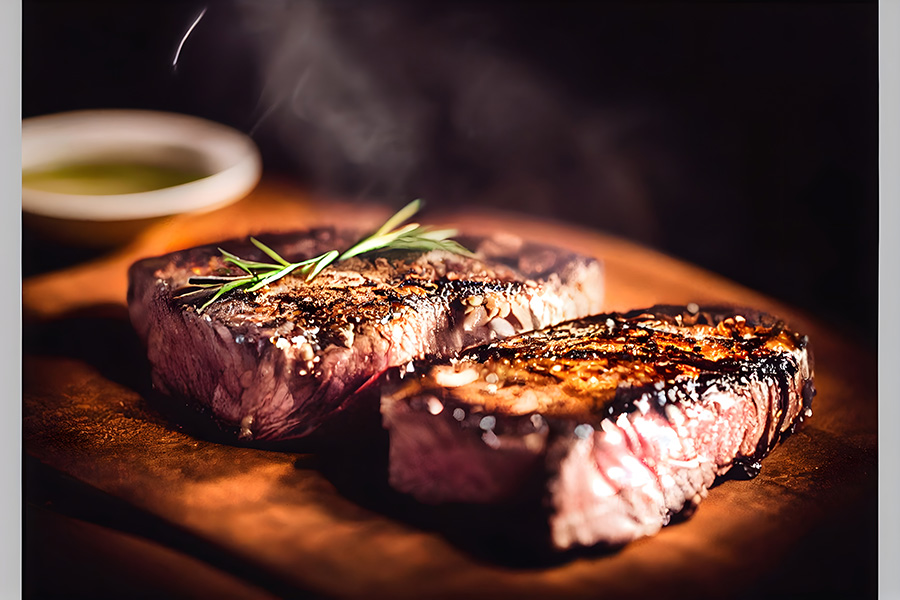
Remember to rest your meat. Resting it simply means taking it out the pan or taking the pan off the heat. If there’s a lot of hot oil in the pan, you may want to take the meat out of the pan to rest it so that it doesn’t cook too much. Just put it somewhere to one side, and let it rest before you slice it. Once you slice it, the juices are going to come out, so then the meat will be dry if you’re not careful. When you rest it, that gives it a chance to reabsorb all the moisture on the plate, making sure that you don’t lose too much moisture when you cut it, and that it’s nice and tender.
A Couple Other Techniques
Here are a couple more techniques – firstly, don’t overcrowd the pan. If you’ve got a whole lot of meat in the pan with a little liquid in the bottom, then you’re basically steaming or even boiling it. That makes for tough, flavorless meat, so you don’t want to overcrowd the pan. You want to make sure that it’s browning, not steaming. In the crockpot, it’s less of an issue. If I’m doing roast chicken or roast lamb in the crockpot, then I usually put a little liquid at the bottom. It won’t be much, but just enough to make the gravy. Later on, the amount will increase, especially with chicken. Don’t put too much, as you don’t want to boil your chicken in there.
However, if you’re making a stew, obviously it’s fine to have enough water. It’s the same in the instant part. If you’re making a stew or something with liquid sauce, then you want to add enough water. It’ll usually tell you in an Instant Pot recipe how much water to add, and there’s a line inside the Instant Pot that shows you what not to go above when it’s pressurized and cooking. You don’t want to have too much liquid in there – you want it to be cooking safely.
Also, using a thermometer is very helpful. Whenever I cook a beef tenderloin, it’s very important to get it to the exact temperature. The same would apply for pork – you want it to be cooked well, but not overcooked. If it’s undercooked it can be a problem with pork, as with chicken, so using a thermometer works great. The recipe will usually tell you how hot it should be.
Methods for Cooking Meat
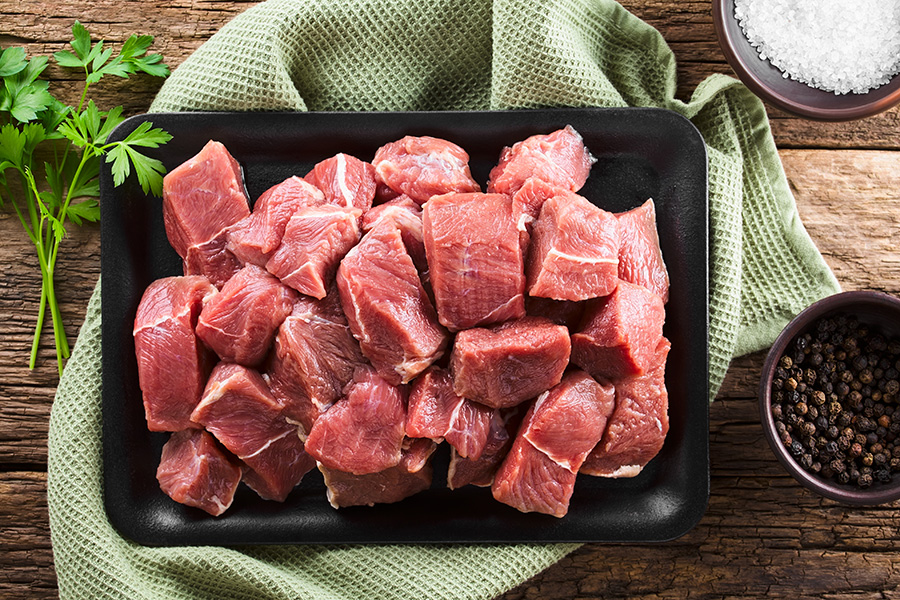
It’s important to choose the right method for cooking each kind of meat. If it’s steak or chops, the best method is to do them on the stove top in a pan, or on the grill. This is fast, high heat. There’s lots of flavor and lots of searing. Some steaks like the tenderloin or filet you can brown on the stove top and then put in the oven after that, with butter and herbs or something on top of it.
If you’re doing a roast, the oven works great, especially for a crispy outer skin and good flavorful meat. The crockpot also works well for a roast as long as there’s not too much water in it, as I said before. Sometimes you’ll want to finish it in the oven to get the skin crispy, but the crockpot will make your roast a lot more tender – tender roast chicken or lamb.
The slow cooker and the instant pot are great for tough cuts. I prefer to cook chicken and lamb in the slow cooker, and beef in the Instant Pot. It seems to break down the tough cuts of meat like beef better than the slow cooker, whereas lamb and chicken seem to break down perfectly in the slow cooker. It’s a personal preference, but I find that beef in the slow cooker doesn’t get as tender as I’d like, whereas in the instant part it’s perfect. I make beef stroganoff, beef stew, short rib, and roast beef in the Instant Pot.
Then for reheating, or for small items like a single steak, the air fryer works great. It’s the same for chops, et cetera. Most of the time I’ll use the crockpot or slow cooker, or the Instant Pot for really good meat. I prefer it to the oven because you can just put the food in and leave it. In the slow cooker, then generally meat’s going to take four hours on high or eight hours on low, or a combination of those in the slow cooker. If you’re doing roast chickens, cook them for four hours on high, and then put them in the oven for a little to crisp them up.
If it’s lamb, I’d do it two hours on high, and then five to six hours on low to get it good and tender. I’d also turn it halfway through to have both sides submerged a little bit in the liquid. As I said, the instant part is much faster, but it’s great for beef. It will probably take around an hour to an hour and a half for corned beef and that kind of cuts. Look at a recipe specific to the kitchen appliance that you’re going to cook the food in. Just remember the longer and slower you cook it, the more tender and juicy it’s likely to be.
Remember, you’re going to sear it first for your flavor. After seasoning it, then you’re going to add the rest of the seasonings, and then let it rest afterwards. Cook tough cuts slowly – long and low heat makes it tender. If it’s a tender cut, a quick cook is fine.
Finishing Up Your Dish
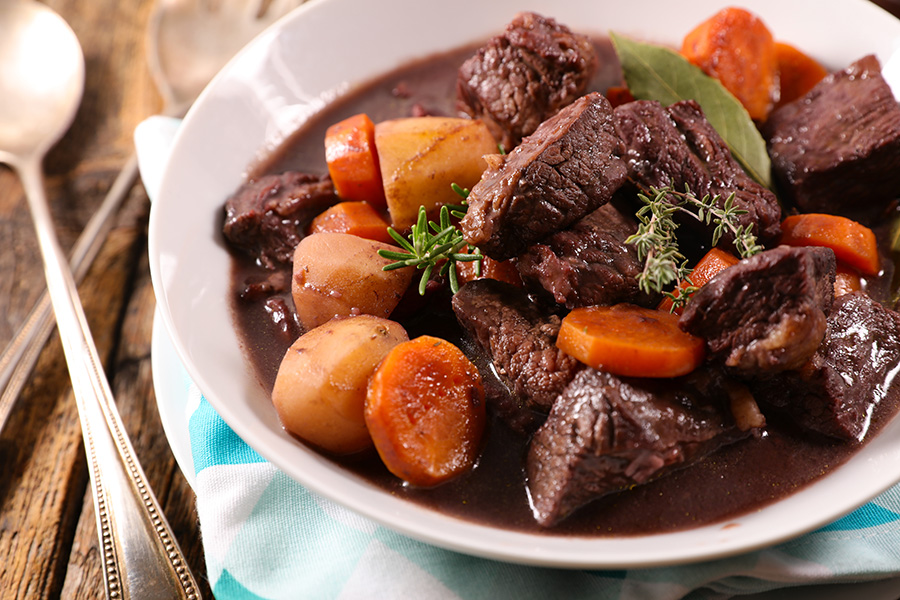
It’s good to do each of your meats in the way that works best, and as you get experience, you’ll find what works best for you. As I’ve mentioned, for us, roast lamb works best in the crockpot cooking for most of the day. We cook roast chicken in the crockpot, and then a little bit in the oven afterwards. You can put some bacon on top afterwards, before you put it in the oven. That makes a lovely flavor in the chicken.
After you cook those items in the crockpot, you can make gravy from the liquid. Simply add the liquid to a saucepan or small pot, and then bring it to the boil.
Then you want to add your thickener while it’s boiling. We use potato starch for that, and you can also use corn starch. Those things generally work better than plain flour. Season the gravy with salt – hopefully if you’ve used broth of some kind from the crockpot, it’ll have a lovely flavor, and there’ll be the juices from the meat.
We also do short rib stew and stroganoff in the Instant pot, as well as most cuts of beef. Then we’ll do the same thing with the gravy at the end. The only difference is you can thicken it on the saute setting in the instant pot – you don’t have to use an external saucepan. Another favorite of ours is the tenderloin in the oven, which we sear on the stove first.
So, enjoy cooking some of those meats. See what you’d like to try. Take your favorite kitchen appliance, and decide what you’re going to cook in that. Next week I’ll talk about cooking chicken, cooking fish, and some other odd items, and then we’ll do a summary appliance cheat sheet.