I’m going to do two shorter episodes this week about hospitality. The first one will be tips about hospitality – what can make it easier for you, and the second one will be ideas that you can use for your meals when you have guests over. It’s always a good idea to have meals planned in advance, and we’ll talk more about that in the next episode.
So, let’s talk about hospitality. It always works out a lot better than we expect, doesn’t it – most of the time, at least. I think the important thing is to remember that it’s about the people, the connection, and the fellowship. It’s not about being perfect, or having everything just right. You really want to make hospitality be low-stress for yourself, otherwise you’re not going to do it. Sometimes I’ve fallen into the trap, even with extended family, of trying to make everything perfect because I feel like they’re judging me. Actually, what they remember is the special things, the connection, and the memories.
How To Prepare Effectively With Minimal Stress
Here are a few practical hospitality tips for moms that are focused on making it do-able, meaningful, and even fun for your kids, instead of stressful. Firstly, keeping it simple is the secret. It doesn’t need to be fancy to be memorable, so you can choose maybe one or two special touches instead of ten.
Serve easy, repeatable meals. We’re going to talk about some ideas for those things; meals that you plan ahead so that you know what you’re going to make. They’re pretty easy, like pasta, food on the grill, a burger night, et cetera. A very good tip is to create a go-to hospitality menu. Have two or three reliable meals that you can make any time if you’re going to have people over. We’ll talk about that in more detail, with ideas for those could be, in the sequel to this episode.
Also, involve your kids. It’s very important to make sure that they’re part of things, and also to give them attention beforehand. I’m notorious for getting busy and stressed, and then ordering people around. You want it to be fun – otherwise, what’s the point? Involving your kids makes them feel special, especially young ones.
Older kids can do some of the cooking, or they can do the grilling, setting the table, et cetera. You can let the younger kids choose decor for the tables, you can assign somebody as the drink server or as the greeter, or give them napkins to fold. They could make place cards, name tag cards, or a little drawing for each guest – anything special. The older kids can help prepare and cook the food.
This makes it a group project, a special thing that you can do together. We’re at the stage where our older kids love to have friends over themselves, and to cook for them and do everything, while we just get out of the way. It’s great to pass on that hospitality to our children.
Creating a Warm Atmosphere without Stress
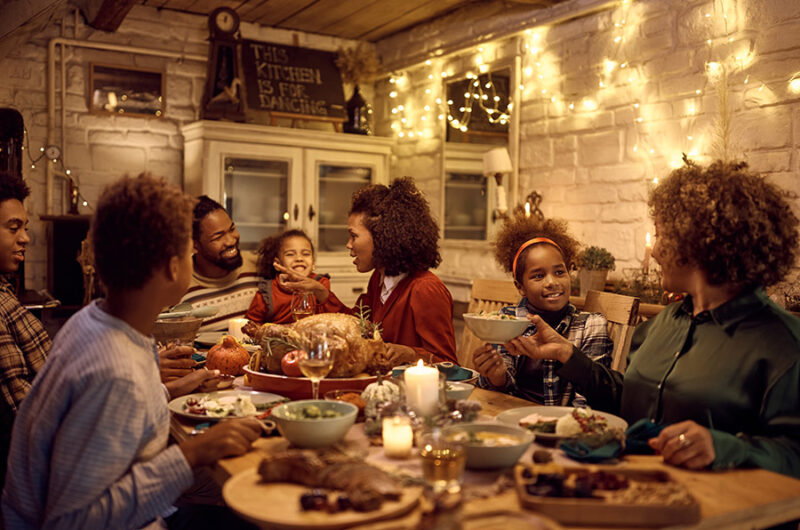
We’re really aiming for a relaxed feeling – making people feel welcome. Your home should be warm, a place where they easily feel comfortable. There should be laughter, good conversation, and maybe games, as opposed to having a spotless house and fancy food – everything being perfect, but everybody feeling a bit awkward because they need to keep it that way.
Here are some more decorating ideas. You can use fairy lights, maybe inside glasses or jars, and some greenery. You could use candles – I like electronic candles that change color, but you can use natural honey candles, or whatever you have. I also love bees’ wax candles, but I prefer not to light them because they just get used up so fast, and they’re quite expensive.
Clean the main areas in your home, but don’t make it stressful and overwhelming. Maybe clean the bathroom they’ll be using and the seating area, and then open your windows a bit to air the house. You definitely don’t need to clean everything. Maybe you can play some soft background music to help with the mood. You can decide in advance if you’re comfortable with guests in your kitchen helping, or if you want to say “No, you can sit and relax; I’ll be with you soon.” Then the rest of the family can entertain them while you and maybe one of your children do some cleaning up. You can also leave some cleaning up for afterwards. Just plan in advance what you want to do.
The goal of hospitality is to make people feel seen, appreciated, and loved. Ask questions about them, simple questions that they can easily answer, to get the conversation going. Put your phones away, and linger over parts of the meal, or with drinks in your lounge. If you’re relaxed, your guests are going to be relaxed.
Breaking Your Meal Up Into Courses
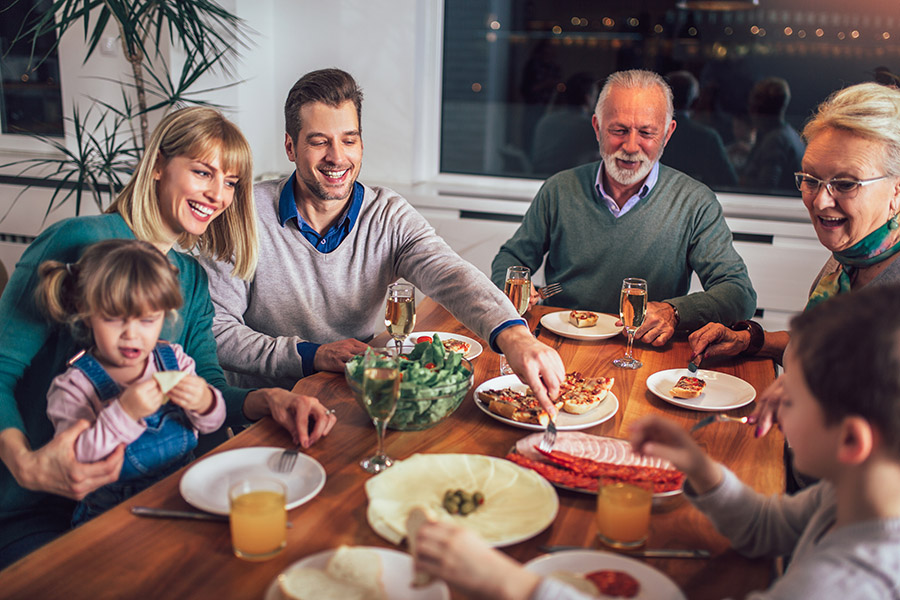
Something else I always talk about is courses – I really enjoy doing meals in courses, instead of all in one. This may sound complicated, but it’s actually not. It just means having a part of the meal first, maybe vegetables like long stem broccoli, or maybe some sweet melon. It could also be something fancier like a shrimp cocktail. Then you give everybody a chance to eat that, to relax, to talk, and to feel comfortable. Then you serve the meat and potatoes or whatever, and then you serve the dessert.
It’s so simple, but it really stretches the meal out so that there’s time for people to relax, and there’s time for connection. I usually find that after the first course, maybe during the second, is when people really start to relax and talk. It’s much easier for you as well because then there aren’t too many things at once. People can breathe and chat in between courses, and you can use the time to get the next course ready. Perhaps you can involve your kids in helping with one specific course each.
Having different courses also makes your table setting nicer because then you can lay your plates, et cetera. We like to use charger plates sometimes, and we like to use our fancy gold cutlery and fancy glasses. You do what makes you feel comfortable in a setting for hospitality.
Preparing Ahead of Time
Prepping ahead is a great plan because it saves your sanity in a lot of ways. You can chop veggies or prep one of the courses early. Make sure your table’s all set in advance, and choose meals that can sit a little bit in an oven that’s off but still warm, and that you can reheat easily. Then you can be present with your guests, and not stuck in the kitchen.
If there are going to be young children accompanying their parents, maybe set up a small table in the corner with a bit of Lego, some coloring-in, or some puzzles to do so that they have a place where they feel they belong. That also helps you to chat more with parents.
You could have a hospitality basket ready in your home with some extra napkins, specific tea and coffee supplies that you don’t normally use, and a simple packaged dessert like biscuits, rusks, or chocolate. You could have your candles, or anything that you don’t have space for normally – things that you can just grab and quickly add to the table for hospitality.
It’s really helpful to have a treat of some kind ready to go in case you have unexpected guests. Maybe you could have a roll of cookie dough in your freezer that you can slice and bake very fast. You could have some frozen muffins that you can warm up, or ice cream with a few toppings. Those things make it easier to welcome guests that perhaps aren’t planned.
Also, you can start small with micro hospitality. It doesn’t have to be a full dinner – you could invite a family for tea and cake or biscuits. You could just have a simple coffee and a chat, or they could come for dessert. Whatever you do, focus on being present and enjoying the connection during the meal. In the next episode, I’ll talk a bit about specific ideas for planning ahead when you have guests, and about some food ideas that you can do.