Today we’re going to be talking about what we can learn from Mexican culture about food, nutrition, and dining. I love learning from other countries and other cultures about food – what they do, how they do it, what they like to eat, and how the dining experience looks for them. Mexico is fascinating! They have a very strong food culture and community focus, so I think we can learn a lot from them. Mexican culture can teach us a lot about healthy eating, about variety, and about the importance of traditional foods.
Overview of Mexican Cuisine
Here are a few highlights of Mexican cuisine and cooking to start with. Firstly, corn is central. Corn tortillas, tamales, and masa are foundations of Mexican cuisine. Then chilies add depth of flavor. From mild poblanos to spicy jalapeños, they provide flavor, color, and complexity to Mexican dishes. Beans are also important – black beans, pinto beans, et cetera, bringing good protein and fiber. Lots of fresh ingredients are used to lighten up their dishes; things like avocado, tomatoes, onions, coriander, lime, and fresh chilies.
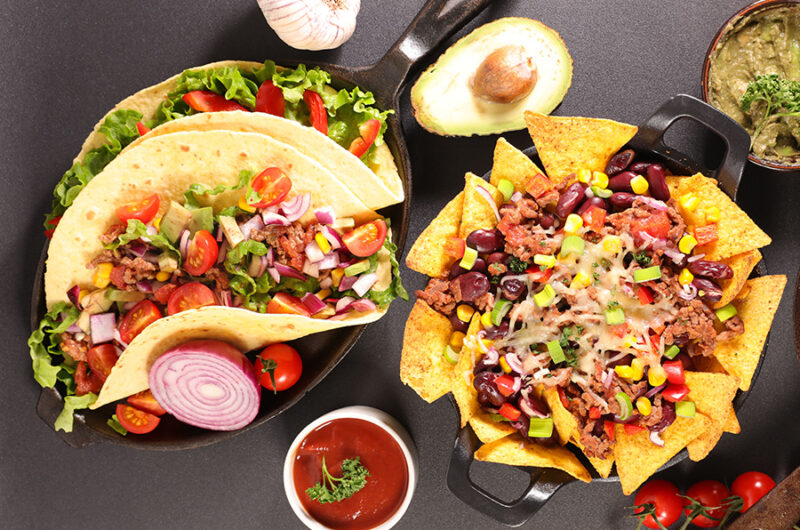
Mole is a famous Mexican sauce combining ingredients like chilies, spices, nuts or seeds, and sometimes even cacao. Tacos are a very traditional, versatile food. They can contain meat, fish, beans, vegetables, and salsa in a great combination. They’re one of my son’s favorite things. We eat nachos more regularly, but they probably have similar fillings.
Another important thing in Mexican cuisine is the low cooking and the preparation time. Often these foods have to be cooked carefully and with patience. Mexican food is a celebration – Mexican cooking is strongly connected to family gatherings, festivals, and celebrations, and there’s sharing and fellowship. Their meals are often communal. There’s also regional diversity. Their food varies greatly between regions, like in most countries. They use different ingredients and techniques along the coasts to the ones in central Mexico, or the north and south.
What Makes Mexican Food Different?
So, let’s talk about some of these things in more detail. In Mexican cuisine, corn and beans make up a huge chunk of their diet. They’re usually eaten together, and they have been for many, many years. Corn tortillas are popular, as well as nachos. The beans add protein and fiber, so eating them together with the carbohydrates from the corn gives you a very nutritious combination of plant proteins. For example, corn tortillas, black beans, pinto beans, refried beans, and chili – all these delicious Mexican-style foods are very popular.
They also eat a wide variety of vegetables. Traditional Mexican cuisine uses many vegetables and plant foods. They use a lot of tomatoes, onions, squash, peppers, corn, and even cactus, as well as leafy greens. They use a lot of plant foods, so there’s no need to rely heavily on processed foods.
Here are some traditional examples of Mexican foods. They use nopales, which are cactus pads, in salads or stews. Calabacita is squash cooked with vegetables. Salsa is made with tomatoes, chili peppers, onions, and herbs.
Using fruit for natural sweetness is also very common in Mexico, so there’s a large variety of fruits that they use – papaya, mango, guava, pineapple, avocado, and prickly pear – kind of tropical fruits. I remember my dad always loved prickly pear. He would very carefully peel off the skin, trying not to get thorns in his fingers, and then eat the inside, which is soft with pips in it. It has a lovely flavor, and I enjoyed it too. Traditional diets like this show how fruit can be used as a nutritious part of a meal.
They also use healthy fats in moderation – often plant fats. So avocado is an important traditional Mexican food. It’s an unsaturated fat, and of course it’s high in fiber. Traditional Mexican food also uses a lot of nuts and seeds, like pumpkin seeds or pepitas.
It’s nutritious without being too complex. They use simple ingredients such as corn tortillas, beans, vegetables, salsa, and avocado to make a dish. It’s the same with nachos – one meal can provide all the parts you need; the good carbs, the protein, the fiber, the healthy fats, the minerals, et cetera.
There are other foods like pozole; a soup made with hominy, which is a type of corn, and then meat and veg. Tamales are a corn dough filled with ingredients like beans, veg, meat, or cheese. Mole is a complex sauce that contains chilies and spices, as well as seeds or nuts, and sometimes even chocolate. Tacos are usually made with corn tortillas, and then fillings are added like beans, vegetables, fish, or meat. Guacamole is avocado combined with ingredients like onion, tomato, chili, lime, and herbs
Something else we see in Mexican cuisine is that food is definitely more than just nutrition. It’s about being connected to your community, to your family, to the traditions from history, and to the celebrations in the culture. Meals are often shared with others, and traditional recipes passed down between generations. It’s very important that this is maintained because a lot of the modern Mexican diets could include highly processed foods and excess salt and sugar, so those traditional healthy meals could easily be lost. It’s a good thing that they remember those traditions and maintain them.
Also, Mexican cuisine uses many herbs and spices to add flavor, without needing large amounts of salt, sugar, or unhealthy sauces. They often use coriander or cilantro, oregano, chili, and cumin. Chili peppers are also an important part of their cooking – we all know that well. They add strong flavor, and they contain high amounts of vitamin C and antioxidants. Different chilis have very different levels of spiciness, which the Mexicans would know well. They’re used in things like salsa verde and salsa roja, and dishes are often made with jalapeños, poblanos, and ancho chilies.
Traditional Mexican drinks use natural ingredients. For example, agua fresca is made from fruits like watermelon or tamarind, and even the hibiscus flower. These don’t need as much added sugar to be delicious and tasty.
Also, they use a lot of fermented foods and drinks. Fermentation has been around for many years, and is an important part of Mexican cuisine. It’s a very hot country, so many years before refrigeration came about, fermentation was a great solution.
How to Create a Mexican Fine Dining Experience
Thinking about fine dining, food in Mexico brings people together. The meals are often shared with family members and friends, with conversation, fellowship, and connection. I love that because in the West, we so often rush our food and eat on the run. We don’t sit down and take our time together, and I really think mealtimes are so good for that. Also, health and digestion and all those things are so much better when it’s not rushed, and when it’s a special time with family and friends.
Mexican food can become fine dining food made from traditional ingredients like corn, beans, chilies, avocado, and cacao. Dishes like mole can include many ingredients and be made very elegant. The slow preparation also makes it special, as it requires considerable time and care. Mole involves careful preparation with many ingredients. The local ingredients also create high quality and highly flavored food. Locally available seasonal ingredients are very helpful and can be made into really delicious dishes
Also, the presentation’s important. Mexican chefs use colorful ingredients – the tomatoes, peppers, herbs, fruits, and flowers. The food’s very visually appealing, and it carries the history and culture of tradition. Also, Mexican culture places strong emphasis on hospitality and welcoming guests with food, helping them to feel good.
Celebrations make the food meaningful. Food plays an important part in celebrations such as the Dia de los Muertos, birthday parties, weddings, family gatherings, et cetera. The experience is as important as the food in Mexican culture. There’s a good balance of good food, the strong traditions and celebrations that go along with it, and the fellowship.
I think it’s really good to think about those things in our own context. How can we add more of that fellowship and connection with our community? How can we add more care to what we cook, and also in the way we eat it – slowing down, spending time on our meal without being rushed, and really enjoying seasonal, fresh, good quality ingredients instead of processed foods?
You can find our cookbook, Elegant Easy Appetizers, on https://familyfoodformoms.com/shop/. It’s available in print and digital. I hope you enjoy some Mexican cooking soon. What’s your favorite kind of Mexican cuisine? Somehow, it feels very simple, and it’s less intimidating because you just grab some tacos and make a good few fillings, and everyone builds their own. Happy eating!