This is the second part of the episode about cooking meat, which is part of the series about basic cooking skills that you should master. Last time we talked about techniques that help you to make your meat tasty, tender, and juicy. We talked about bringing meat to room temperature before cooking it, searing it, not overcrowding the pan, possibly using a thermometer, seasoning it well, and then resting it after cooking. Then we talked about how best to cook red meat, beef, and lamb – what to cook it in. Today we’re going to talk about cooking chicken, fish, and a few other items.
The Best Ways to Cook Chicken
Let’s talk about the best methods for cooking various cuts of chicken. We’ve mentioned whole chickens, which you can do either in the slow cooker or in the oven. The oven is great for crispiness, and the slow cooker for tenderness. You can also use a combination of the two. Also, the air fryer is quick and easy for cooking a smaller piece of chicken, and gives it crispy skin.
If you’re going to cook pieces of chicken, like the drumsticks or the thighs, with various sauces or seasonings on top, the oven works great. Put them in a casserole dish in the oven with the lid off for cooking. You can also do this in the crockpot, but again, it will be softer and less crispy. You can cook chicken breasts in the oven with a bit of oil, some salt, and some seasonings like smoked paprika, chili powder, and mixed herbs. Cook those in the oven for about twenty to thirty minutes, and then you can shred them and use them in wraps, on sliced bread, or in a chicken pasta dish – anything like that.
The pan is also nice – it works great for thin pieces of chicken. Sometimes it’s good to slice your chicken breasts in half. Cooking them in the pan is similar to cooking them on the grill. Marinate them for the grill, or just season them for the pan, and give them a good cook. If you’re cooking a thicker chicken breast, then you can do it in a similar way to the steak we talked about last time. Sear it in the pan, and then put the pan into the oven with a bit of butter and cook it for twenty minutes. That gives it a nice outside sear and a complete cook on the inside.
Thinner slices or small chopped pieces work great in a pan. You don’t want too much water to build up in the pan because then you’re going to be boiling the meat instead of searing or cooking it. You may need to drain your pan along the way. Just put a touch of oil in and no other liquid. When you’re cooking chicken in the pan, you can cut it up to use in a stir fry. Then toss and turn it in the pan with a bit of sesame oil and whatever Asian seasonings you like. We use tamari, but you can use soy sauce. Thin or chopped chicken in the pan is great.
You can always add your vegetables later and cook them with the chicken in the pan. It’s great to have a one pot meal sometimes where you don’t have to add anything else. You can add noodles at the end – just pour some boiling water over them and then add them to the pan and stir fry them with similar flavoring. A stir fry meal is great – you just need some chopped chicken, some vegetables, and some noodles. We like to use rice noodles, or vermacilli, which are the really thin noodles that hardly need any cooking. The noodles need some flavor from salt and soy sauce, et cetera.
You can also do chicken fajitas in a pan or in the oven. You could do it on a sheet pan – put your chicken breasts and red pepper pieces on the pan. Maybe slice up the chicken a little bit, and then do that in the oven. You could also do the chicken in the pan, and add the red peppers and seasonings. You can often get a nice pre-made Mexican spice mix or fajita spice mix. You can add that to the pan while it’s cooking, and then serve it in fajitas.
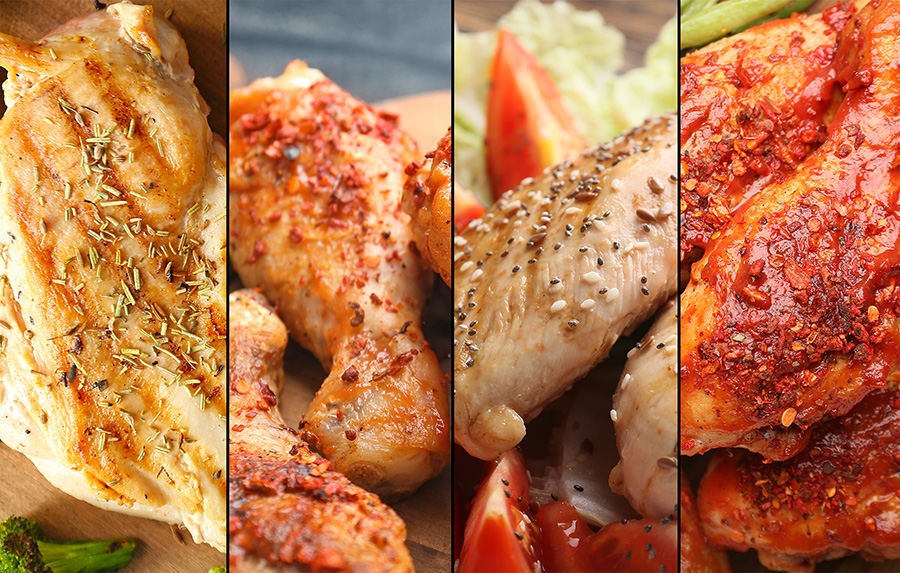
It’s important to not overcook your chicken, whether it’s in the oven, the pan, or even the crockpot, because then it’ll be dry. You want to get it to where it’s all white inside and not pink. If you’re cooking something in the oven like chicken breasts, you can cut them in half to check if they’re cooked through, and not pink on the inside. Chicken breasts are the most unforgiving – they get dry easily, so you mustn’t overcook them, especially in the oven. If you want a more forgiving cut, try using the thighs. Especially meat on the bone with the skin is going to keep the moisture inside. Then the meat will be juicier and more tender.
Also, you can marinate your chicken breasts if you want them to be less dry and more flavorful. Once you’ve marinated the chicken, you can cook it in the oven. We usually put chicken in a glass container with marinade on it. It involves some kind of dairy or oil, and the seasonings. Then we put the lid on it and put that in the fridge for at least six hours, and sometimes overnight. If you have less time, though, it’s fine. After you take it out of the fridge, let the chicken come to room temperature with the lid on to keep flies away, et cetera. Then take the lid off and put it in the oven with the marinade surrounding it. That will cook to be lovely, tender meat.
The Best Ways to Cook Fish
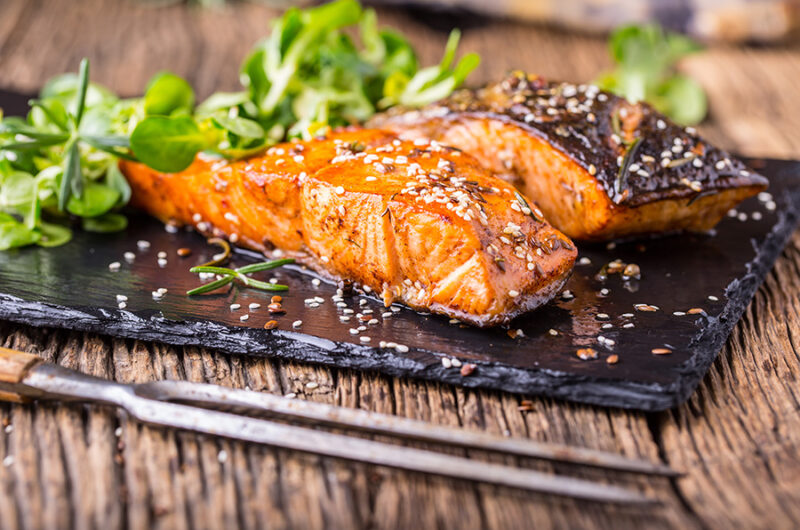
Now let’s talk about fish. Fish is quite sensitive, so you don’t want to overcook it, because then it’ll be dry. You can tell when it’s done by seeing when it flakes easily. If it’s getting that white substance around it, then it’s starting to get overdone, so you should take it out quickly if you see that. Also, the flesh turns opaque as it cooks, so it’s not see-through anymore, and you’ll be able to flake it easily with a fork when it’s done.
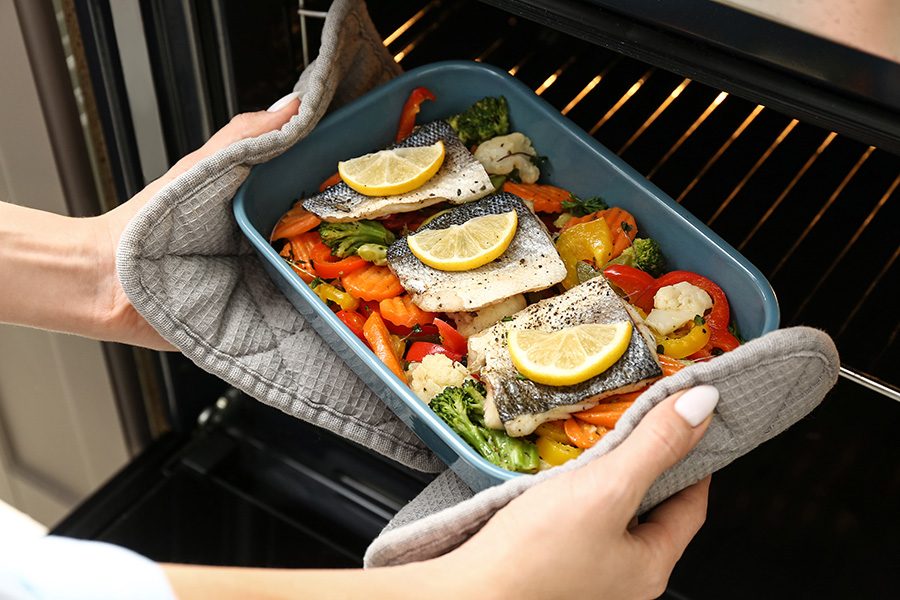
My favorite method to cook fish is in the oven. It’s so easy! If you have some oven casserole dishes, glass or CorningWare, then you can cook fish filets in them. You can use either salmon, trout, cod, or hake. Put your filets in the pan, skin side down if it has skin on it. Then season them. You’ll want to season like crazy – the better you season your fish, the better it’s going to taste.
Add salt, a bit of pepper, something like smoked paprika, chili powder, and onion powder for that kind of flavor. You can add herbs like thyme – thyme is a great one for fish. Then you’re going to generously squeeze lemon juice over all your fish. Add a little olive oil or butter on top. Bits of butter on top of the fish taste amazing. You can sprinkle a little almond flour on your fish filets, or bread crumbs if you eat gluten. You want to make sure that you’ve got that lemon juice and that butter to get the nice flavor. The salt is also essential, and then everything else adds extra flavor or texture.
Then generally it takes about twenty minutes in the oven. You can also do it in a pan in a similar way. If you’re going to cook fish in a pan, you put the skin down first. It should be quite a hot pan, and you have to move it quite soon so that the skin doesn’t stick to the pan. Then it’ll start to crisp up that skin, and you can add your seasonings on top. Again, add salt, pepper, herbs, and maybe some spices. Then you can put some butter in the pan and baste the fish while it’s cooking.
You’ll see how the cooked part slowly goes up the piece of fish. You’ll see that one side of the fish looks more and more cooked. You can flip it if you want to, but if you want to get that nice crispy skin, it’s easier to baste the fish with the butter to cook the top part. You can flip it if you’d like to, though.
Just a thought here – when you marinade meat, it helps to make it more tender, and brining meat does that in a similar way. It’s a little harder to do this yourself, but there are cuts of meat at the grocery store that come ready-brined. For example, there’s corned beef. When you cook it, it’s very flavored, and it’s more tender, so look for brined meat.
Another thing you can do to fish is cook it in the steamer. This works well with very delicate fish. You don’t want there to be too much steam, or it to be too hot, but just give it a gentle steaming for about ten minutes. Then it should be ready to flake. Remember to add the flavorings again – you can add them after steaming or before. It’s great to mainly just add salt while you’re steaming it, but sometimes salt can cause the fish to lose some moisture that you want to keep in it. Steaming it and then seasoning it in this case works well.
The air fryer works in a similar way to the oven, just with smaller portions. Look for your flesh to turn opaque, and for it to be easily flaked with a fork. Fish does cook fast, so if you’ve got thin filets, then even six to ten minutes can be enough time. Check it often.
Best Methods to Cook Bacon and Sausages
Then lastly, let’s look at bacon and sausages. Bacon is great in the oven – that’s the easiest way to get it evenly crispy. We’ll take a baking sheet, maybe some baking paper or parchment paper, and then lay out the bacon. We’ll cook it in the oven for about fifteen minutes. You have to keep an eye on it, as you want it to get crispy, but not overdone. If you’ve got good control, you can cook bacon in a pan. It can create a lot of smoke, which you don’t really want, and you have to watch it the whole time, but it works just as well.
Browning sausages in a pan is great because you get lots of flavor. If you move them around a lot as they’re cooking, you get that lovely brown flavor in them. Sausages also work well on the grill. If you add a little bit of barbecue sauce at the end, it gives them extra flavor. You can also cook sausages in the oven, though they take quite a while to get brown or to look crispy. Then you can brush the barbecue sauce on afterwards, and possibly put them back in the oven so that the sauce can caramelize for just a minute or two. Sausages are great in the air fryer as well. Chipolatas are delicious for breakfast.
Summary of Various Kitchen Appliances and Their Uses
So, here’s a quick summary of the appliances. The Instant Pot is great for tough cuts of meat, like beef, as well as stews, and shredded meat like shredded pork. You can cook it as a whole pork shoulder, and then shred it afterwards. Then you can put it back into a sauce that you thicken on the saute setting in the Instant Pot.
The slow cooker is great for lamb and for chicken – anything that you want to be flavored and tender. The air fryer is great for smaller portions like chicken thighs on the bone, wings, sausages, small steaks, et cetera. The oven is great for roasts, bacon, chicken pieces like chicken breasts, and for fish. The stove top pan is great for steaks, thinner chicken breasts, and fish like a piece of salmon. Try these out and see what you like best. Then you can have your go-to meat cooking plans.
Summary of Cooking Techniques
A simple rule is tender cuts – hot and fast, and tougher cuts or big roasts – low and slow. Fish should be cooked gently. Also, remember to not overcook your chicken, as that makes it very dry. Remember to rest your meat, remember not to cook it straight from the fridge, and remember to sear your meat. Cooking fish too long will make it rubbery, but we want it nice and tender.
Generally, for all these things except the steak, you’re going to cook at 180 degrees Celsius in the oven. This works for bacon, chicken breasts, roasts, sausages, or whatever you’re doing. 180 degrees Celsius is about 360 degrees Fahrenheit. Steak in the oven after you’ve seared it needs to be at a higher temperature – about 220 Celsius or 430 Fahrenheit. You need to cook it to an internal temperature of about 50 degrees Celsius, 125 Fahrenheit. That’ll be about medium rare, and as you rest it, it’ll increase by five to ten degrees.
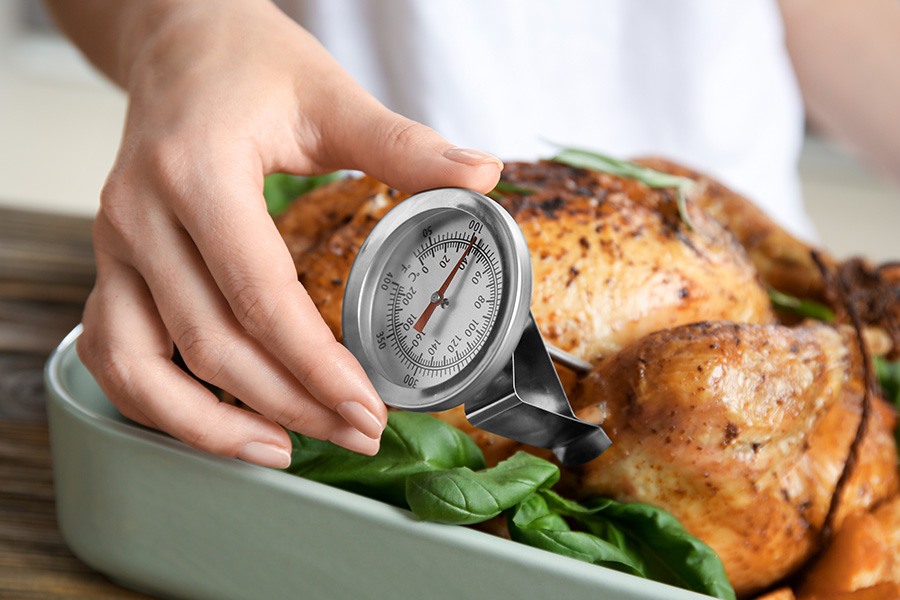
We’ve got some meat thermometers. You stick the point into the meat in the pan in the oven. There needs to be enough space in the oven because the thermometers are quite tall. Stick them in so that they go into the center of the beef tenderloin. That end is attached by wires to the little thermometer reader that sits outside the oven, so you can keep checking it. You can also set it to beep once it’s ready, and then you can take it out and let it rest. A great meat thermometer is a real help for that kind of meat.
A great instructional recipe for cooking beef tenderloin – a cut of beef filet, is on downshiftology.com by Lisa Bryan. That’s how I learned to cook what seems like an intimidating piece of meat. It’s actually so easy and so delicious! She walks you through how to make the garlic butter with herbs, how to tie up your meat with string, salt it, and then sear it. Then you add your butter on top, add the meat thermometer, put it in the oven at that high temperature of 220 Celsius, or 430 Fahrenheit, and then wait until it comes to about 50C/125F degrees. Then you let it rest, and slice it, and you’ve got delicious filet steak pieces.
Here’s a last note about cooking in a pan – you need to leave the meat on one side for a while, and not flip it too often. If it’s a chicken breast, it’ll take five to seven minutes per side. A steak might be a bit less – maybe three to four minutes per side, depending on the thickness. Then you can put that in the oven to finish. Fish is going to take the least time of all things in a pan. It’ll be three to five minutes per side, unless you’re leaving it on one side and basting it – then it will be six to eight minutes.
I hope you have fun trying out some new ways of cooking your meat. Try some marinating. Remember to leave it to come to room temperature, and to rest it afterwards. Try out the beef tenderloin if you’re brave, and remember to have fun and to enjoy yourself. Hopefully you’ll have some delicious food.
Remember our recipe book – Elegant, Easy Appetizers. You can find that on our website at familyfoodformoms.com/shop/. It has lots of very easy to make, very elegant looking appetizers, which I hope you’ll love.