Today I want to talk about an unusual topic – how we can be inspired by meals in the Enid Blyton Adventure Books from the 1940s. She’s the author of Famous Five. I’ve mentioned this briefly before in the episode on children’s literature – how we can be inspired by what they ate. I’ve always been particularly fascinated by the food in the Enid Blyton books – the way they have the meals and what they eat, and I wanted to talk a bit more about that.
The Context Behind the Food in These Books
These books were published starting from about 1946, after the Second World War. Around then food would’ve been quite scarce, and before that there would’ve been rationing. Later on it would’ve improved a bit though, especially on the farms. Farms seemed to be the places that these children loved to go and eat, and they always had lots of amazing farm food.
So, I thought it was interesting to look at what they ate and what they considered healthy, in the context of kids who got a lot of exercise and sunshine. They were always outside in the fresh air – they were going on picnics, cycling, and swimming in rivers and oceans. They ate a lot of good stuff, but they were really active. It was the same with the farmer, the farmer’s wife, and the shepherds – they were all very active. It’s wonderful to see what they ate, what they enjoyed, and what was available. I find it inspiring, but I think it also helps us see what’s healthy and what’s good for us.
A Typical ‘Enid Blyton Book’ Meal
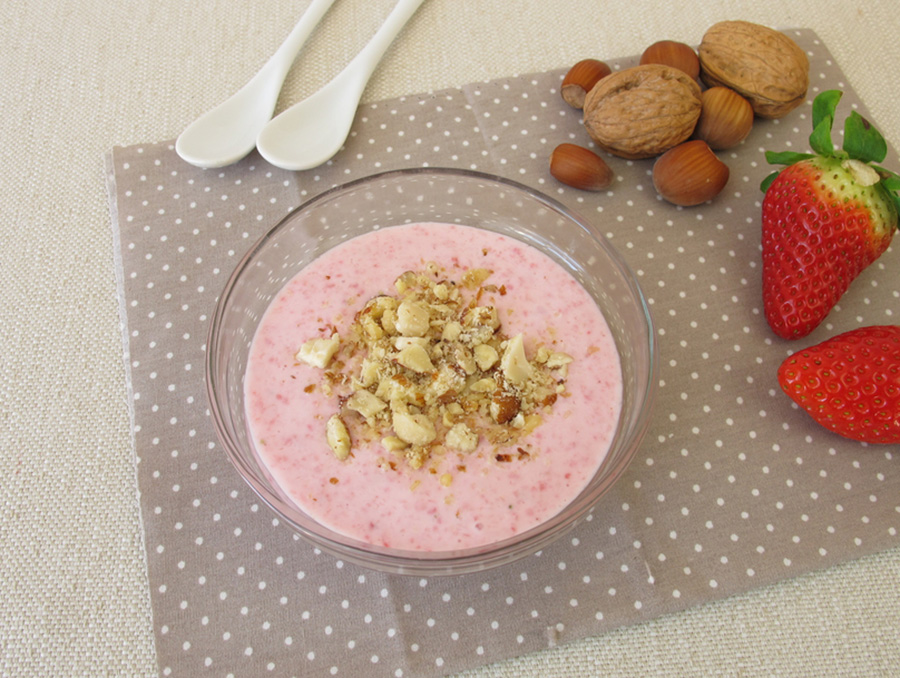
Here’s a clip from one of the adventure books. Suppertime came – cold ham, a salad, junkets and cream – just the right kind of meals in Philip. Junket was like a healthier version of panna cotta. They would take sweetened milk, perhaps flavored with something like strawberries, and then they would curd it using rennet, similar to when you’re making cream cheese or cheese, et cetera. It’s a fermented food, but it still tastes amazing. It has a soft custard-like texture, and it’s easily digestible, so it’s great for a healthy dessert. This is interesting to me – they still had desserts, and they still had full cream milk in their diets, and fruit like the strawberries. But then they made it healthier by fermenting it a little, curdling it with rennet in the same way as you would with cheese.
Then there’s the salads – obviously, they would use things from their gardens more often than not, so there weren’t pesticides. They’d have big tomatoes, lettuce, green beans, and all those “salady” things. Then they’d have some kind of meat from a farm, like a cold ham. This wouldn’t be from the deli – it would be ham on the bone, that had been baked, or cooked on the stove top, and then sliced up and eaten over a few meals. It would have been recently slaughtered from the farm.
The other thing that usually appears in these meals is cream – a delicious jug of cream that you could pour over your dessert or over whatever you’d like to. This would’ve been recently skimmed from the milk from when the cows were milked freshly in the dairy. They’d drink the milk and use the cream. There’s absolutely no problem with using high fat or full fat dairy – using these rich, fatty foods. They weren’t processed fats or refined fats; they were straight from the cow. Obviously, they made homemade cheese as well. They had so much sunshine, exercise, and a good way to de-stress on the farm. Even though it was hectic, busy, and crazy, it was still outdoors, and I think that balanced out that diet very well.
Meal Example #2
Here’s another excerpt – a long, sturdy kitchen table was covered with a snow-white cloth, and on it was set the finest meal the children had ever seen in their lives – it often says that – a great ham sat ready to be carved, and a big tongue garnished round with bright green parsley sat by its side. An enormous salad with hard boiled eggs sprinkled generously all over it was in the middle of the table. Two cold roast chickens were on the table with little curly bits of cold bacon set round. The children’s eyes nearly fell out of their heads – what a feast! And the scones and cakes, the jams, and the pure yellow honey, the jugs of creamy milk.
That sounds amazing – they describe it so well. There was the great ham ready to be carved, and the tongue with herbs like parsley. They seemed quite happy to eat that. There were hard boiled eggs in the salad. The roast chickens – again, the meat was cooked on the bone. It was whole, and it had the skin with it. It had got all the good bits that they could eat, not just the chicken breast.
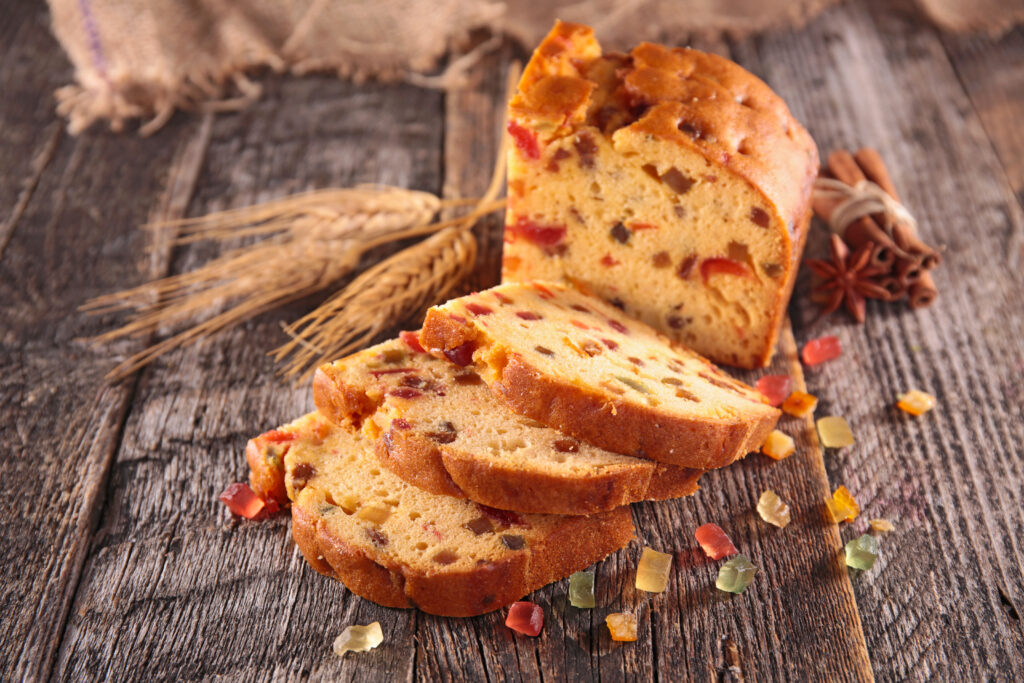
Even the treats were freely eaten. Scones would’ve been made with a flour that was much more coarsely ground than what we are used to, and it wouldn’t have had all the nutrients removed. Cakes usually meant fruit cakes – again, made with a healthier flour. There’d be lots of good fruit in there, and no icing, so no huge amounts of sugar. They had homemade jam, pure honey, and then the jugs of milk from freshly milked cows.
All these foods are rich and delicious – they’re creamy, amazing stuff. The children would spend the day outside doing chores, running around in the sunshine, swimming, biking, and picnicking. That would balance out the richness of the food, but it’s important to note that they weren’t afraid of this kind of food. In my opinion, farm food is always the best food.
Also, they didn’t eat huge amounts of bread with their meals. Sometimes they had sandwiches, but usually there was fruit, dairy, and meat, and that’s what they ate. Their meals were balanced, and there were a whole lot of different options. They ate whole tomatoes and lettuce. It wasn’t just meat like chicken breast with pasta – they ate all these different items, plus the dairy, plus the stuff fresh from the garden, to make the meal really well balanced.
The cream and the rich dairy would’ve been so nourishing. What’s also interesting is sometimes in those books they’d have a big glass of creamy milk at bedtime, sometimes in their beds. I often do feel like a glass of milk at bedtime. It really helps me to not feel hungry during the night, and to feel satisfied and calm at the end of the day. Also, it’s highly nutritious. We always drink raw, full cream milk, so it’s really satisfying and nutritious, and it’s also supposed to help you sleep better. Maybe that’s why they used to have it back then.
Meal Example #3
Another section says the breakfast table was loaded almost as much as the supper table had been. Jugs of creamy milk stood about the table, warm from the milking. Big bowls of raspberries had appeared. “I can smell eggs and bacon!” said Jack, “and cereal with raspberries and cream, and ham, and tomatoes. And gosh, is that cream cheese for breakfast? How delightful!”
That’s a huge meal. I know that the farmers would work very hard, so they’d need a good meal. Perhaps they’d go out and do their early morning chores – milk the cows, clean out the chickens, et cetera. Then they’d come in for a good, big breakfast. There’d be the dairy, the eggs and bacon, and the fruit. Also, remember that around this time, some people had refrigerators, but not everybody did. A lot of food was stored in the larder, and the fruit would be freshly picked because it wouldn’t last very long.
The milk would often be from that day’s milking, and it would often be warm, not always icy-cold. They really enjoyed that warm milk, and it would have the most enzymes possible, and all the good stuff, because of that recent milking. We can’t always do that, but we can look for the best kind of milk we can find. Perhaps you can get it from a farm, or perhaps you can get it from a co-op or a market that has reasonably fresh milk. Raw milk doesn’t last more than a couple of days out of the fridge – except if you like curdled milk, which is also very healthy. Things like making kefir from that milk also increase the nutritious benefits of it. I find this all just very interesting to see.
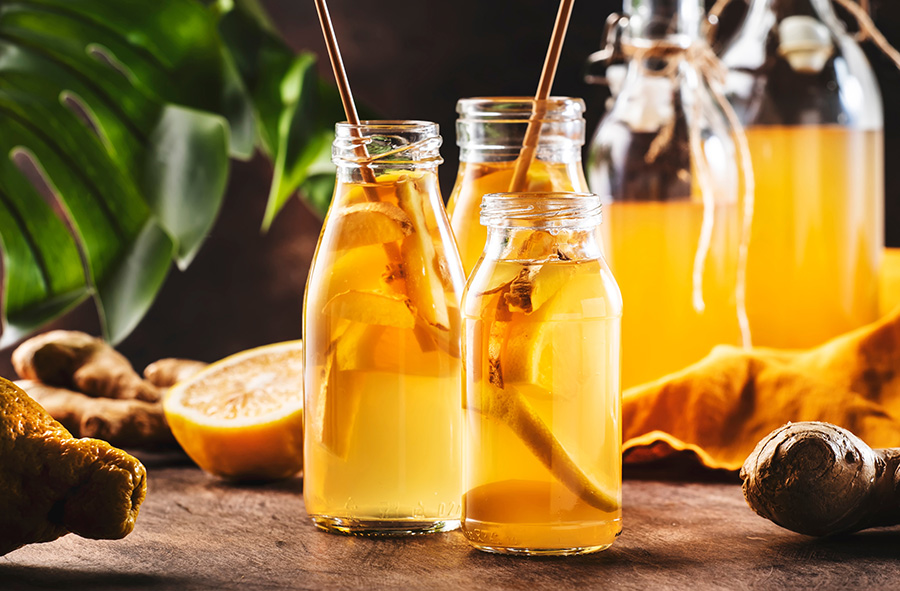
Also, the children would drink lemonade or ginger beer as well as water. This was often homemade or made in a little local store or restaurant, so it would’ve been much healthier than what we get today with a huge amount of sugar. It would have the ginger or the fresh lemon, and that’s what they drank instead of soda. They’d quench their thirst with bottles of lemonade or ginger beer when they went on picnics or long rides on their bikes.
A Hearty Snack
Then, when they were having a snack, the book says there was a great bowl of fresh strawberries, and a jug half full of cream. Pour some raw cream over fruit like fresh raspberries, and it makes for a great snack – even though it’s supposedly “bad fruit” and “fatty cream”. We shouldn’t be afraid of these things. They’re so good for us, and they’re the way God made them. If they’re in the context of a healthy, active lifestyle, then they’re really amazing.
An Exceptional High Tea
For the last example, I’m going to read a part about a high tea they had. There was a fresh ham, glistening pink, a veal and ham pie, smothered in green parsley like the ham, yellow butter in glass dishes, a blue jug of thick yellow cream honey, homemade strawberry jam, hot scones, a large fruitcake as black as a plum pudding inside, egg sandwiches, tea, cocoa, and creamy milk. “I’m absolutely determined to live on a farm when I grow up,” said Jack, looking approvingly at all the food.
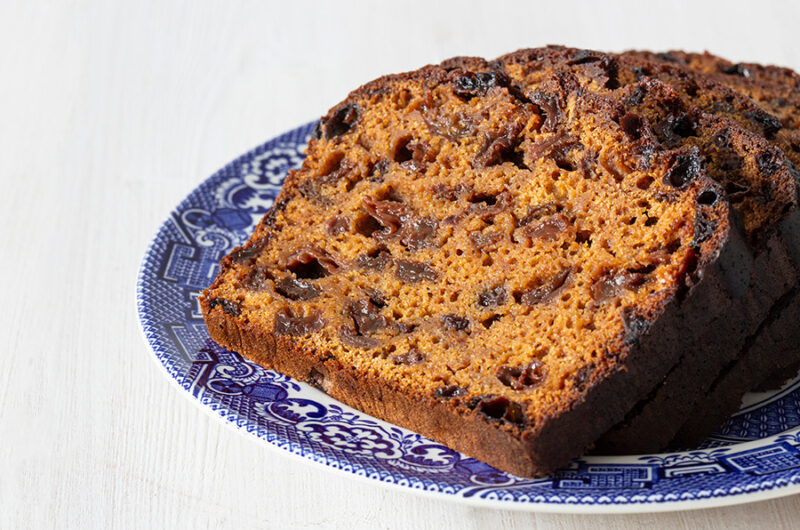
So, we can’t all live on farms, but it’s still fascinating to see how they ate, and to see what we can do to emulate that. Again, there was the ham, and then the pie. Often they had pies in the larder. The fact that it was veal and ham shows that they ate varieties of meat. Then there was the parsley again, smothering the meat in herbs from the garden. The yellow butter would be homemade from fresh cream, and then again, there was the thick cream, and honey harvested locally. The jam would have been made on the farm, and they had scones that were recently made. The fruitcake had lots of fruit, and it was dark. It probably contained molasses and all the good stuff.
Then there were egg sandwiches – they also had homemade bread that was made on the farm. When the books talk about them camping somewhere, they often go to farms nearby to get eggs, cream, milk, and homemade bread. Obviously it would’ve been sourdough bread because they wouldn’t have been able to buy yeast at the supermarket very often. Then there was also cocoa and creamy milk.
Changes I’d Like to Make
It sounds so delicious to sit down to that kind of meal. I’m sure it would feel a little overwhelming, and maybe seem too rich because we’re not used to that kind of thing. It definitely inspires me to do more desserts of things like fruit with raw cream, or baked apples with cinnamon, instead of just sugary desserts. Also, I want to have more fruit, tomatoes, lettuce, and those kinds of things, not necessarily in a salad, but individually. Then I wouldn’t have to cook a lot of vegetables to go with a meal.
I also want to have meat on the bone more instead of just ground beef and chicken breasts all the time. I want to use more cheese, and to try and make some of these things freshly for ourselves, plus the fermented dairy, the kefir, the fermented yogurt, and all of those things. You should raw milk if possible, if that’s what you like.
So, I hope this inspires you just to think a little bit about what you feed your family, and to not be so afraid of good foods. So-called fatty foods or fruits are often demonized, but in fact, they’re really healthy. The way I like to think of it is how did God make the food; in what form? And then let’s keep it as close to that as possible. Again, that would mean meat on the bone, whole potatoes, whole fruits of any kind, milk, cream, cheese, cream cheese, and cottage cheese. Also, try and be as active as possible to balance out that good, hearty food.