Today we’re going to be starting a series on basic cooking skills that we should all master. We’re going to do a number of episodes on this, and today I’m going to give you a bit of an introduction to what kind of things we’re going to talk about. It’s easy to feel nervous when attempting new things in the kitchen – new proteins or vegetables you haven’t cooked before, new cooking methods, or using kitchen tools for the first time, like a slow cooker or air fryer. Actually, though, a lot of these things are not as scary or intimidating as they seem.
It’s a good idea to have a bit of extra time on your hands when you’re practicing new cooking skills. Then you’re not learning a new skill in the rushed stress of the day’s cooking, but rather doing it at a time where it doesn’t matter if it goes wrong. That way, there’s less pressure on you, but the skills will help you when you do want to cook with them. Later on, you’ll get good at them and they’ll be easy. Then when you’re cooking under pressure, it’ll go a lot better.
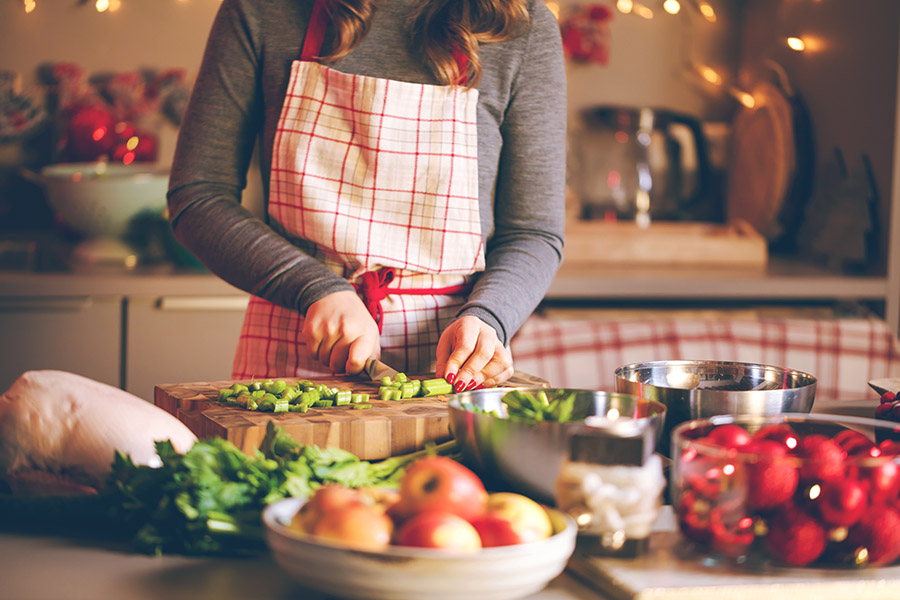
So, these are some of the things that we’re going to be talking about in this series. We’ll talk about knife skills and why they matter. Evenly cut food cooks evenly, so you need to learn how to dice onions, to slice peppers, and chop carrots for things like soups or bolognese. You need to be able to mince garlic and have a good tool for that. You can also go the lazy way and buy minced garlic, but that has a bit less flavor. Learn the claw grip to protect your fingers. We start out doing these techniques slowly, and speed comes later.
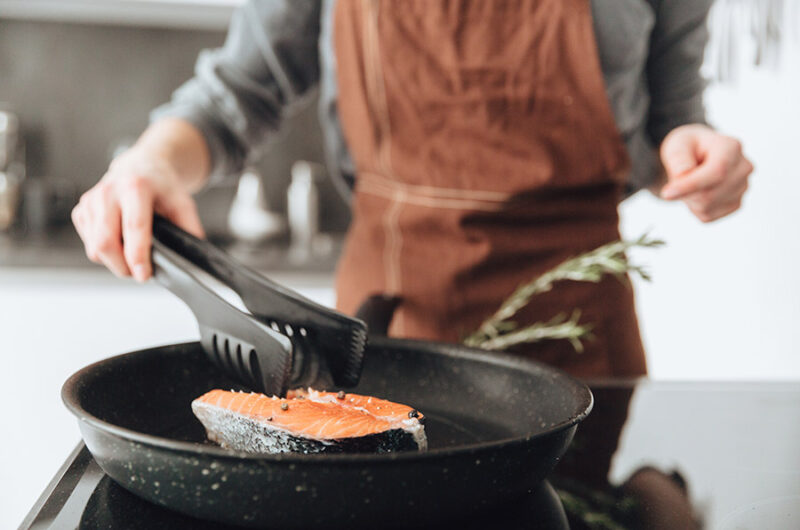
Then there’s heat control. Often when a dish doesn’t turn out great, it’s because there was a mistake with the heat. You need to learn the difference between a gentle simmer and a rolling boil if you’re doing something in a pot. You need to know the difference between medium heat and high heat if you’re searing something on the stove or cooking something that doesn’t need high heat. You need to know about sauteing and searing. If you burn your food on the outside, and it’s still raw on the inside, then the heat’s too high.
Those heat controls are for stovetop cooking, but even in the oven, you need to know generally what works best at a very high temperature and what works best at a low temperature. Reheating things will use the lowest temperature. You also need to learn how to use your different tools in the right way. If you’re using a crockpot, you need to know when to use high and low settings. If you’re using an air fryer, you need to learn how to set that up similar to the oven temperatures. If you’re using the stove top, you need to learn how to get your pan to the right temperature, and when to add the oil so that you don’t have a whole lot of smoke.
We’ll also talk about seasoning food properly and why it matters. Obviously, well seasoned food tastes great, and under seasoned food doesn’t – it tastes pretty flat. It’s important to be seasoning in layers, not just at the end. We’ll look at seasoning the food as you go, tasting as you go, and bringing balance to your seasoning. You need balance between your salt, your acid, and even your fat, as well as the umami flavor, the sweetness, and et cetera. We want to get those all just right, and being aware of them is always a good first step, then we’ll talk about cooking your proteins well.
It’s important to know generally how to cook a protein, and also which proteins work best in which kitchen appliances – which ones will do well in the instant pot, crock pot or slow cooker, the air fryer, the oven, the stove top, in a pot of water, or in a steamer, et cetera. It’s good to have a repertoire of things that you generally cook in specific appliances so that you know what you’re doing.
You also want to know how not to make your chicken dry or how not to overcook your steak by letting it rest. You should know about taking things out of the fridge so that they can come to room temperature before you cook them so they’re not tough, and browning meat like roast lamb before putting it in the crockpot. How do you know when your fish is ready and when it flakes well? You should learn the best way to cook things like bacon or chipolatas. There are a few options – in the pan, in the oven, et cetera. We’ll look at some extra tips.
Then there’s cooking your vegetables correctly. There are a lot of different methods for cooking vegetables. You can steam them in a pot with a steamer tray, or roast them. There’s sauteing for good flavor, learning to caramelize, and then learning how to best put them into a soup or a stew by softening them a little bit first. It doesn’t matter as much in the crockpot. There are all those kinds of things to consider.
If you’re going to do a one-tray bake in the oven, you may want to cut the hard vegetables like carrots and potatoes smaller so they cook quicker. You have to balance the sizes of things when you’re doing protein with your potatoes or carrots in the oven. We’ll look at all those kinds of tips in future episodes. When you’re steaming vegetables, then you don’t want to let them get overcooked. When they’re bright green, you know they’re ready and that’s a good time to get them out. If you saute them, it adds a lot of flavor, et cetera.
Then you should learn how to deglaze a pan – what to use and how. Would you use wine? Would you use stock? Would you use something else? Then you need to learn what kind of effect that creates and what kind of dishes you need to do that for. You can do it to anything that’s going to add that extra flavor to your food. Deglazing is a real bonus.
Then we’ll talk about cooking your starches properly. For example, there’s how to cook fluffy rice so that it’s not mushy. You have to figure out your own proportions of water to rice, depending on the rice you use, the time, and the temperature. You should learn how to make your pasta al dente, how to season the water before you cook the pasta, how to drain it, keeping a bit of water back, et cetera.
We’ll look at making mashed potatoes from scratch – what to add to make them good without them being gluey, mashing them when they’re quite warm, warming your milk – just making them really, really yummy. They need good seasoning and et cetera. There are a few variations of them, like mashed potatoes with a bit of the peel in, et cetera. You should also know a few other varieties of potato dishes to do knowing – roasting them in the oven, making crash potatoes, et cetera.
Then making simple sauces is important. A sauce will really elevate a dish so much. Hollandaise sauce is amazing for fish, or just a simple lemon butter sauce. We’ll learn how to make sauce for your bolognese, how to make basic bechamel sauce, then how to make that into a cheese sauce if necessary, and how to season your sauces. We’ll look at how to make a pan sauce from your drippings, or a simple vinaigrette or salad dressing, et cetera.
Then we’ll talk about a few odd things like kitchen organization – reading the recipe first, getting your ingredients ready, prepping them before cooking, cleaning as you go, and et cetera. These skills are really going to help you with general cooking, and then you’ll be able to take any recipe from the internet and try it out. Hopefully it’ll work well for you.
We’ll also talk a little bit about marinating food to really elevate your chicken dishes or vegetables. It really helps to make them tender and make them cook well, and to bring a really good flavor.
Also, we’ll look at making basic soups – a kind of formula to make soups, especially vegetable soups. Those are very easy and they work well. Instead of a vegetable, you can just do a soup as an appetizer with some lovely bone broth in there. It makes it really healthy. You can do cauliflower, broccoli, butternut, zucchini, tomato, and all kinds of vegetable soups.
So, I really want you to become more confident as I go through these things. Each week I’ll give you a quest – something to try, something basic that you can learn in the kitchen, something that will hopefully help you conquer or master that skill. Cooking should be fun. You should enjoy it, and you should feel relaxed and confident.
The great thing about cooking is that it’s not as precise as baking. Often you can make little mistakes and correct them. You can adjust your seasoning at the end, so it’s very important to learn to always taste things before you serve them. Then you learn how to think about food. When you taste it or smell it, you think what does it need? You can have a repertoire of things you learn about that really elevate the flavor when you add them.
For example, yesterday I was cooking some cauliflower gnocchi. I didn’t make the gnocchi myself; I bought it and stir fried it in a bit of butter. I added some tomato paste, some broth, and some coconut cream. We were thinking what does it need? What does it need? It needed a little more tomato paste, and then a little lemon zest and lemon juice. That really elevated it. It also needed a tiny bit more salt, and we added a bit of Parmiggiano Reggiano. It really tasted amazing, like it was popping. The lemon zest brought out that flavor. So, knowing what kind of things to try to elevate your taste with is a really helpful skill.
I’m looking forward to going through this series with you. Next time I’m going to be starting with one of these topics – not necessarily in the order that I mentioned them in this episode, but we’ll definitely be going through all these skills. If you have any suggestions of things you’d like to cover, please email me at karyn@familyfoodformoms.com. I’d love to hear from you.